

A small leak under the kitchen sink may seem harmless, especially when the dripping stops after a quick plumbing repair. However, a few drops of water can seep into cabinet seams, collect beneath stored items, and soak materials that are difficult to dry completely. Days later, an unpleasant musty smell may remain even though the visible leak is gone.
A musty smell in kitchen cabinets often indicates that moisture has remained trapped somewhere inside the cabinet structure. Water can affect the bottom panel, back wall, joints, plumbing openings, and even the flooring underneath. If damp materials remain wet long enough, conditions may develop that support microbial growth.
The important step is to determine whether the odor comes from residual moisture, damaged cabinet materials, or possible mold growth. Simply repairing the plumbing connection does not guarantee that everything surrounding it has dried.
Why Does a Small Sink Leak Leave a Musty Smell?
Kitchen sink cabinets contain several plumbing connections, making them vulnerable to small leaks that may go unnoticed.
Water does not always collect directly beneath the leaking connection. It can travel along pipes, cabinet joints, or uneven surfaces before reaching the bottom panel. Even after the leak stops, absorbent materials may retain moisture.
Three conditions commonly contribute to lingering odors:
- Trapped moisture: Water becomes absorbed into cabinet materials and remains inside areas with limited airflow.
- Material deterioration: Particleboard, fiberboard, and unfinished wood can absorb water, swell, and develop surface damage.
- Microbial growth: Prolonged dampness can create conditions that support mold and other microorganisms.
The Florida Department of Health identifies indoor plumbing leaks, including leaks beneath sinks, as potential sources of moisture that can contribute to mold growth.
A musty odor does not automatically confirm mold contamination, but it is a reason to investigate the affected cabinet rather than cover the smell with an air freshener.
Which Parts of a Kitchen Cabinet Can Hold Hidden Moisture?
The visible cabinet floor is not necessarily the only affected location. Water can spread into several concealed areas, particularly when a leak continues for multiple days.
Cabinet Base and Bottom Panel
The cabinet base is often the first place where leaking water collects.
If the bottom panel is made from particleboard or medium-density fiberboard, moisture can penetrate exposed edges and seams. These materials may swell, lose their original shape, and become difficult to restore after prolonged water exposure.
A cabinet floor that looks slightly raised or uneven may indicate that water has penetrated the material rather than simply wetting its surface.
Back Panel and Plumbing Openings
The openings where supply lines and drainpipes enter the cabinet can allow water to reach the back panel.
A small leak may travel along a pipe and collect around the opening, making the damage difficult to notice from the cabinet’s front edge.
Check for discoloration, softened material, swollen edges, or visible water marks around these openings.
Cabinet Joints and Corners
Water can become trapped where the bottom panel meets the sidewalls.
These joints often contain small gaps that allow moisture to penetrate. Because the corners receive limited airflow, dampness may remain even after the exposed surfaces have been wiped dry.
Flooring Beneath the Cabinet
Water may also escape through cabinet seams and reach the flooring underneath.
If the cabinet sits on a subfloor, moisture may affect a larger section than the visible cabinet damage suggests. A persistent smell near the cabinet’s lower edges can sometimes indicate that the problem extends beyond the cabinet itself.
What Plumbing Problems Can Cause Water Damage Under the Kitchen Sink?
Identifying the original leak is essential because different plumbing connections behave differently.
Leaking Water Supply Lines
Hot and cold supply lines carry pressurized water to the kitchen faucet.
A damaged hose, loose connection, or leaking shutoff valve may release small amounts of water even when the faucet is not running.
These leaks can be particularly troublesome because they may continue unnoticed between kitchen uses.
P-Trap and Drain Connection Leaks
The P-trap and connected drain fittings carry wastewater away from the sink.
A loose connection, deteriorated washer, or damaged pipe can release water when the sink drains.
If the cabinet becomes wet mainly after washing dishes or emptying the sink, the drain assembly may deserve attention.
Faucet Base and Sink Strainer Leaks
Water does not always originate from a pipe underneath the cabinet.
A damaged faucet seal or sink strainer connection may allow water to travel down the underside of the sink or countertop.
This can make the cabinet appear to have a plumbing leak even when the actual source is higher up.
The wettest spot is not necessarily the original leak location. Tracing the water back to its highest visible point is important before deciding what needs repair.
Why Does the Musty Smell Remain After the Plumbing Leak Is Fixed?
Repairing the plumbing connection stops additional water from entering the cabinet, but it does not automatically remove moisture already absorbed by surrounding materials.
For example, a leaking supply line may wet the cabinet base for several days before anyone notices it. Even after the connection is repaired, the particleboard underneath may remain damp.
Enclosed cabinets also have limited air circulation. Stored cleaning products, cardboard packaging, dishcloths, and other belongings can retain moisture and contribute to unpleasant odors.
Another possibility is microbial growth on damp surfaces or inside damaged materials.
This explains why a musty smell under kitchen sink may continue even after the plumbing repair appears successful.
The Environmental Protection Agency recommends drying wet or damp materials within 24 to 48 hours after a leak or spill whenever possible. This helps reduce the likelihood of mold developing, although the outcome also depends on the materials and extent of moisture exposure. For additional information, read this guide on how quickly mold can grow after water damage in Florida.
What Should You Check When Kitchen Cabinets Smell Musty?
Before arranging additional repairs, homeowners can make a few safe observations to understand the extent of the problem.
Look for Visible Water Damage
Remove stored items from beneath the sink and inspect the accessible cabinet surfaces.
Look for:
- Dark or discolored patches on the cabinet floor.
- Swollen particleboard or peeling cabinet finishes.
- Soft areas around plumbing openings.
- Water stains along the back panel.
- Deteriorating edges and cabinet joints.
- Visible mold-like growth or persistent dampness.
Pay particular attention to corners and the area directly beneath the plumbing connections.
Check Whether the Leak Is Still Active
A plumber should verify that the original leak has been corrected.
If water continues appearing, the source may be a different connection or another nearby plumbing component.
A leak that appears when the faucet is off may involve the pressurized supply side, while water appearing during drainage may point toward the drain assembly. These patterns provide clues but do not establish the exact source.
Do not dismantle plumbing connections or operate electrical equipment around standing water. If water is reaching a garbage disposal, outlet, or wiring, avoid touching wet electrical components and have the situation made safe.
Check for Moisture Beyond the Visible Surface
A cabinet may appear dry while moisture remains inside its bottom panel or surrounding materials.
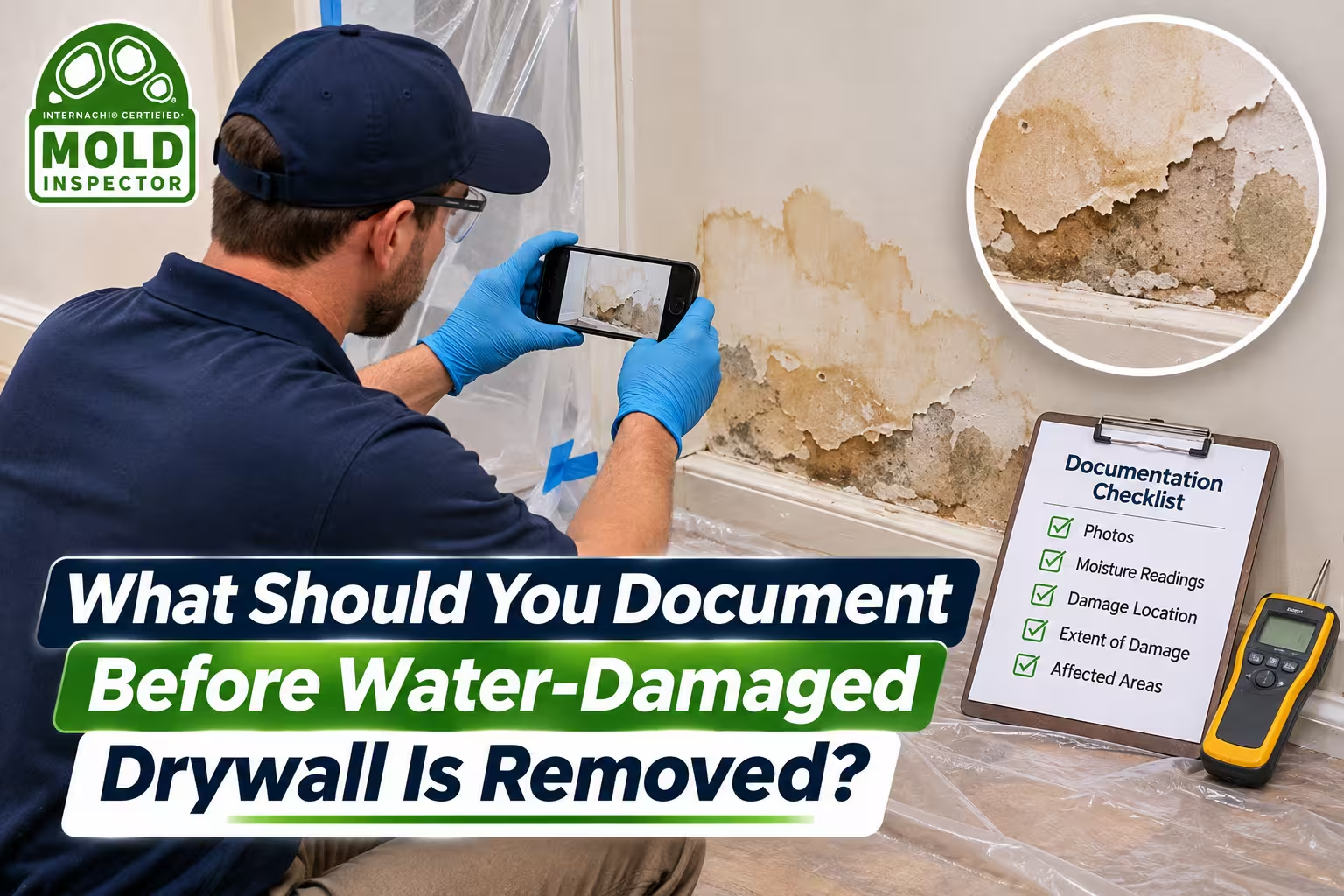
Moisture meters can help identify areas with elevated moisture readings. A professional may also use thermal imaging to investigate temperature differences that warrant closer examination.
These tools help guide an investigation, but neither independently confirms mold growth.
For a broader explanation of concealed moisture indicators, see hidden water damage signs in Florida homes.
How Can You Dry a Kitchen Cabinet After a Small Leak?
Once the plumbing source has been repaired, the next priority is removing residual moisture before additional material damage develops.
Start by emptying the cabinet completely. Remove cardboard packaging, paper products, damp cloths, and other items that may hold moisture.
Wipe accessible hard surfaces using an appropriate cleaning method, then leave the cabinet doors open to improve air circulation.
A fan can help move air through the cabinet, while a dehumidifier may help reduce surrounding indoor humidity.
However, drying exposed surfaces is not enough if moisture has penetrated deeply into particleboard, cabinet joints, or the flooring underneath.
Pay attention to the following:
- Check the cabinet base: Look for swelling, softness, and persistent discoloration.
- Dry accessible surfaces: Remove standing water and moisture from exposed hard materials.
- Improve air circulation: Keep the cabinet open and allow airflow around damp areas.
- Monitor moisture conditions: Recheck the affected materials rather than relying only on whether they feel dry.
- Evaluate damaged materials: Determine whether swollen or deteriorated components can be restored or require replacement.
The EPA advises that porous materials that have become moldy may need to be discarded because contamination can penetrate their internal spaces.
Do not paint over damp materials or cover the cabinet with new liners before confirming that the moisture problem has been addressed.
When Does a Musty Cabinet Need Professional Mold Inspection?
Not every unpleasant cabinet odor requires laboratory testing or extensive investigation.
However, professional evaluation becomes important when the smell continues after the plumbing repair and proper drying, or when visible damage suggests that moisture has spread beyond the exposed surface.
Consider professional assessment when:
- The cabinet base remains swollen or soft.
- Musty odors return after cleaning and drying.
- Visible mold-like growth appears around cabinet joints.
- Moisture readings remain elevated after drying.
- Water has reached the wall, subfloor, or adjacent cabinetry.
- The original leak has been repaired, but the source of the remaining odor is unclear.
A professional inspection may include visual assessment, moisture meter readings, and thermal imaging to investigate affected materials.
Mold Detectives provides professional mold inspection services using moisture detection equipment and thermal imaging to help identify hidden moisture conditions and possible mold growth.
The inspection can help determine whether the problem appears limited to the cabinet or whether further investigation of surrounding building materials is necessary.
Air or surface sampling may be considered when it helps answer a specific question. However, visible mold does not automatically require laboratory testing. Identifying the moisture source and evaluating the affected materials remain important parts of the assessment.
Can Damaged Kitchen Cabinets Be Saved After Water Exposure?
The possibility of restoring a cabinet depends on its construction, how long it remained wet, and how deeply moisture penetrated the material.
Solid wood and plywood may sometimes be dried and restored if the damage is limited and the materials remain structurally sound.
Particleboard and MDF present greater challenges because they can experience permanent thickness swelling after absorbing water.
The Composite Panel Association explains that swelling in particleboard and MDF may not fully reverse after the material dries.
If the cabinet base has become significantly swollen, crumbly, or delaminated, replacing the affected panel may be more practical than attempting to restore it.
Before replacing any cabinet components, confirm that the plumbing leak has been repaired and the surrounding area is dry. Otherwise, new materials may experience the same damage.
Frequently Asked Questions
Why Does My Kitchen Cabinet Still Smell Musty After Fixing the Sink Leak?
The cabinet materials may still contain moisture even though the plumbing connection has been repaired. Damp particleboard, cabinet joints, stored items, or surrounding flooring can continue producing unpleasant odors until the moisture problem is fully addressed.
Can a Small Leak Under the Sink Cause Mold?
Yes. Even a small plumbing leak can create conditions that support mold growth when water remains trapped in cabinet materials. The risk depends on how much moisture entered the area, how long materials stayed wet, and how effectively they were dried.
Should I Replace a Swollen Kitchen Cabinet Base?
Replacement may be necessary when particleboard or MDF has become significantly swollen, soft, or structurally deteriorated. Minor surface moisture damage may be manageable, but permanently deformed materials are often difficult to restore.
Does a Musty Smell in Kitchen Cabinets Always Mean Mold?
No. Damp wood, stagnant moisture, wet cardboard, and other materials can produce unpleasant odors. Mold is one possible explanation, but an inspection is needed to determine whether visible or concealed growth is present.
Address Kitchen Cabinet Moisture Before the Damage Spreads
A small sink leak can affect more than the plumbing connection beneath the faucet. Water may penetrate cabinet bases, back panels, joints, and nearby flooring, leaving moisture behind even after the original leak has been repaired.
If the musty smell continues, identifying the remaining moisture source is more useful than repeatedly cleaning the cabinet or masking the odor.
Mold Detectives provides leak detection and mold inspection services for Florida property owners, helping investigate hidden moisture and possible mold growth.
If your kitchen cabinets continue to smell musty after a sink leak, contact Mold Detectives or call (772) 242-4024 to discuss a professional assessment.