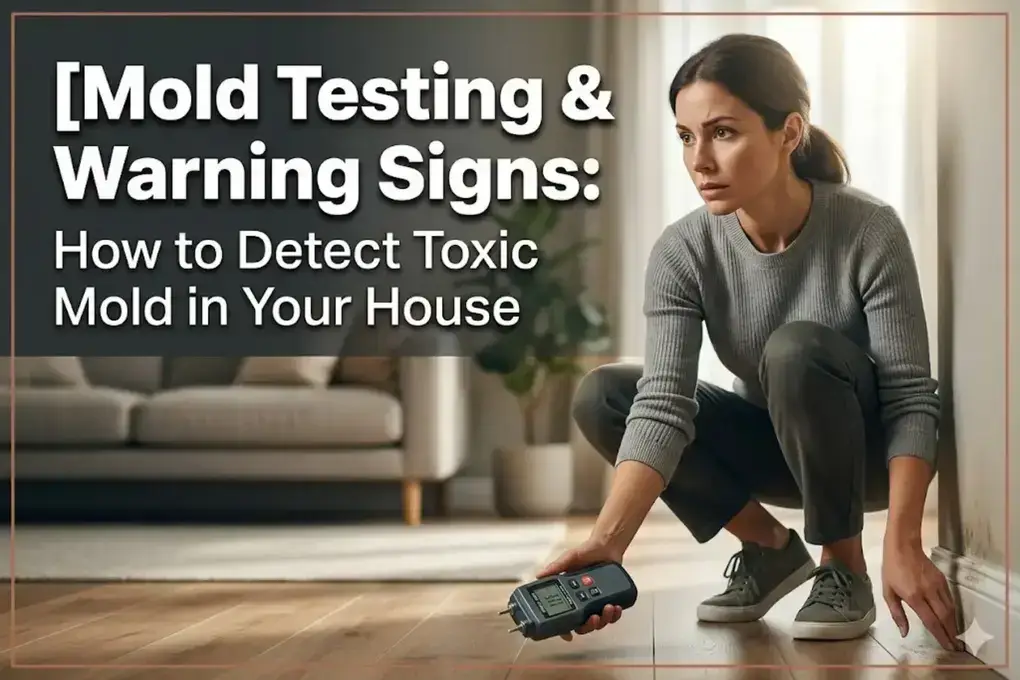
Mold Testing is the first step to protect your home and health when you suspect something is wrong in your indoor air or walls. Many homeowners ignore early odors or small stains, but these are often early mold warning signs that indicate hidden growth. When mold in the house spreads unnoticed, it can quickly turn into serious mold damage and affect your living space.
Most people don’t realize that indoor mold can grow behind walls, under floors, and inside ceilings long before it becomes visible. That is why learning how to spot problems early and using professional testing is so important for a safe home.
Why Mold Testing Is Important for Every Home
Mold testing helps you find hidden mold that you cannot see or smell clearly. A home may look clean, but still have toxic mold growing inside the walls or air systems. This is common after water leaks, humidity problems, or poor ventilation.
When professionals check your home, they look for:
- Airborne mold spores
- Hidden moisture inside walls
- Contaminated surfaces
- Risk areas for future growth
This process gives a clear picture of your indoor environment and shows if indoor mold is affecting your air quality.
Early Mold Warning Signs You Should Notice
You can often spot mold warning signs before it spreads too far. These signs may look small, but they usually point to a bigger hidden problem.
Look for:
- A musty or damp smell that doesn’t go away
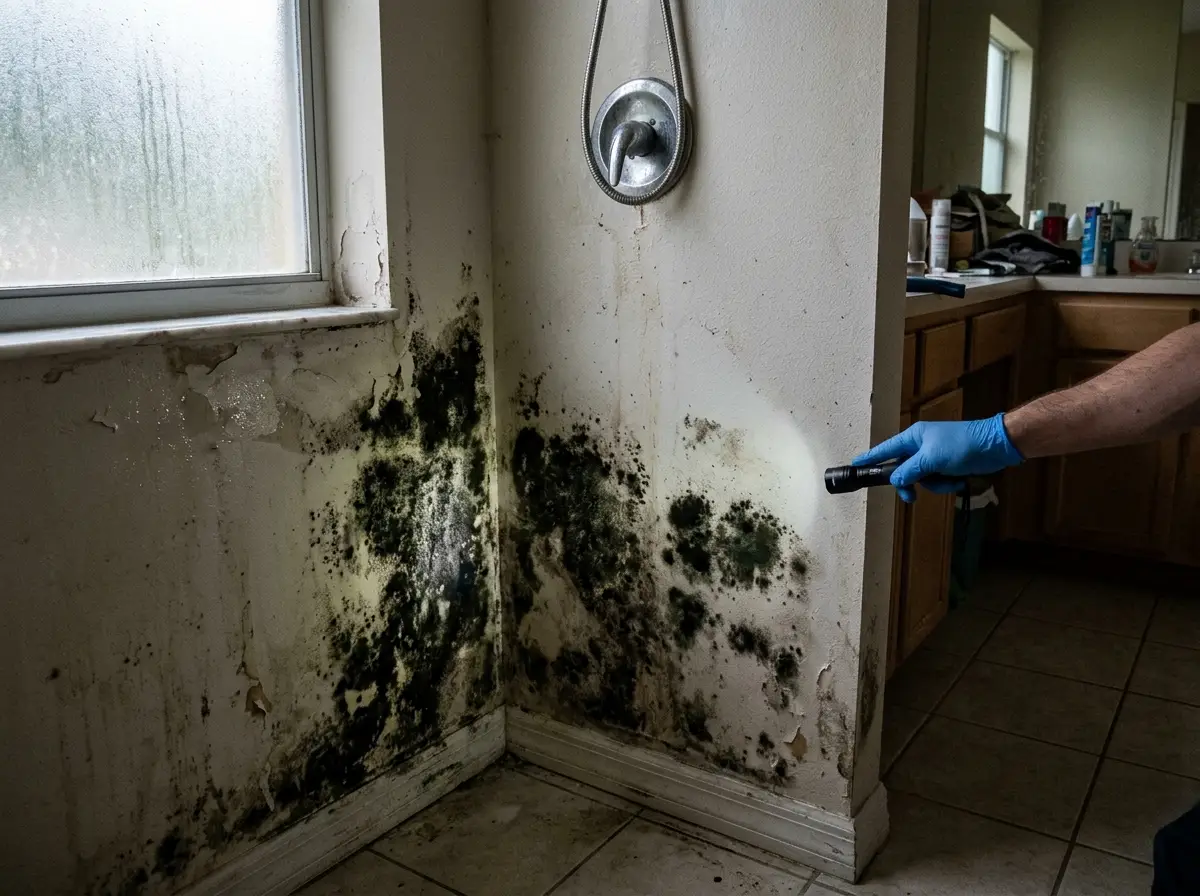
- Dark spots on walls or ceilings
- Peeling paint or bubbling wallpaper
- Constant allergy symptoms indoors
- Damp or humid feeling in rooms
These issues often show early mold in house conditions. If you ignore them, the problem can grow behind surfaces and turn into serious mold damage.
Signs of Mold Behind Drywall
One of the most hidden problems is mold growth inside walls. Signs of mold behind drywall are not always visible, but your home gives clues.
Watch for:
- Soft or weak wall areas
- Stains near corners or baseboards
- Strange smell even after cleaning
- Wall paint that bubbles or cracks
- Cold or damp spots on walls
When moisture stays inside walls, toxic mold can spread quickly. This is why simple cleaning does not fix the real problem.
How Toxic Mold Affects Your Health and Air Quality
Toxic mold can affect the air you breathe every day. When mold grows, it releases spores into the air. You may not see them, but you breathe them in.
This can cause:
- Sneezing or coughing
- Headaches and tiredness
- Eye or throat irritation
- Worsening asthma or allergies
This is where indoor air quality testing becomes important. It helps measure how clean or contaminated your indoor air is. Poor air quality often means hidden indoor mold is present in the home.
What Happens During Professional Mold Testing
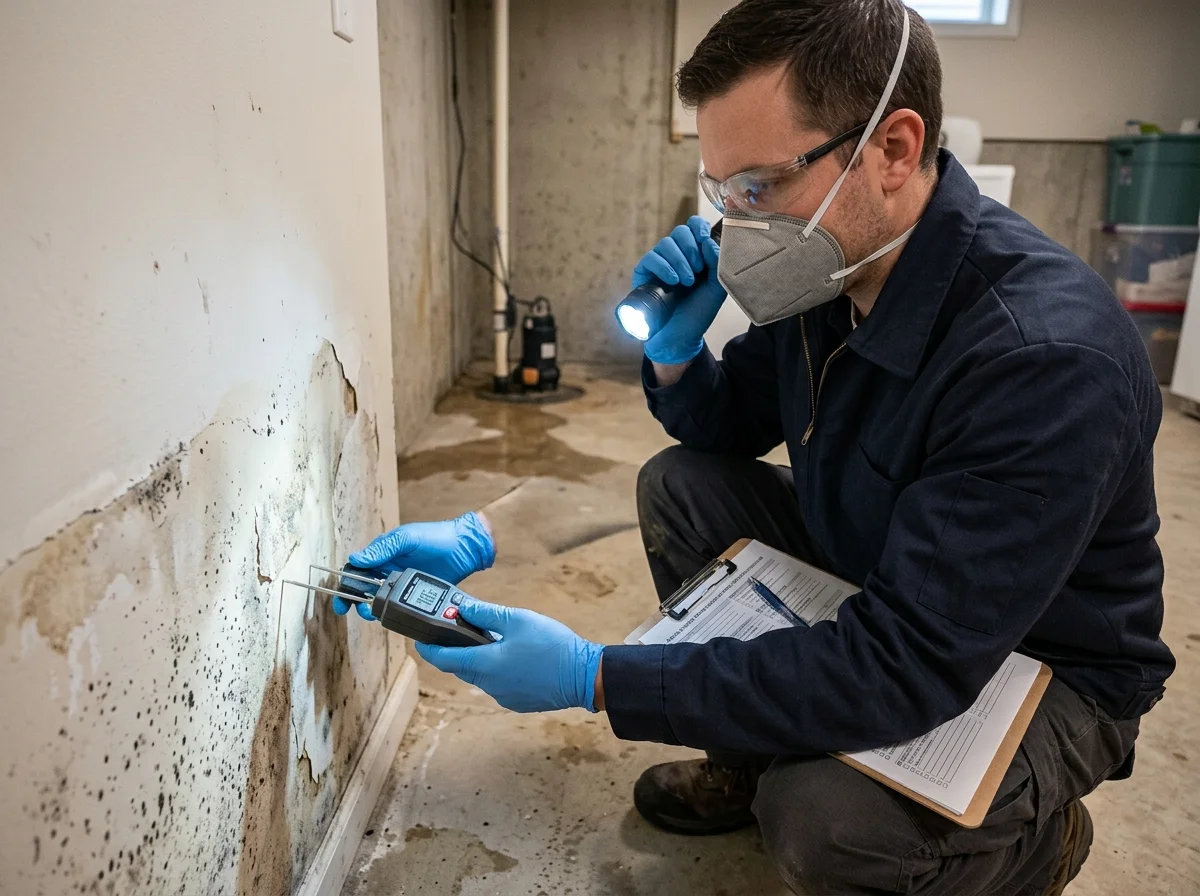
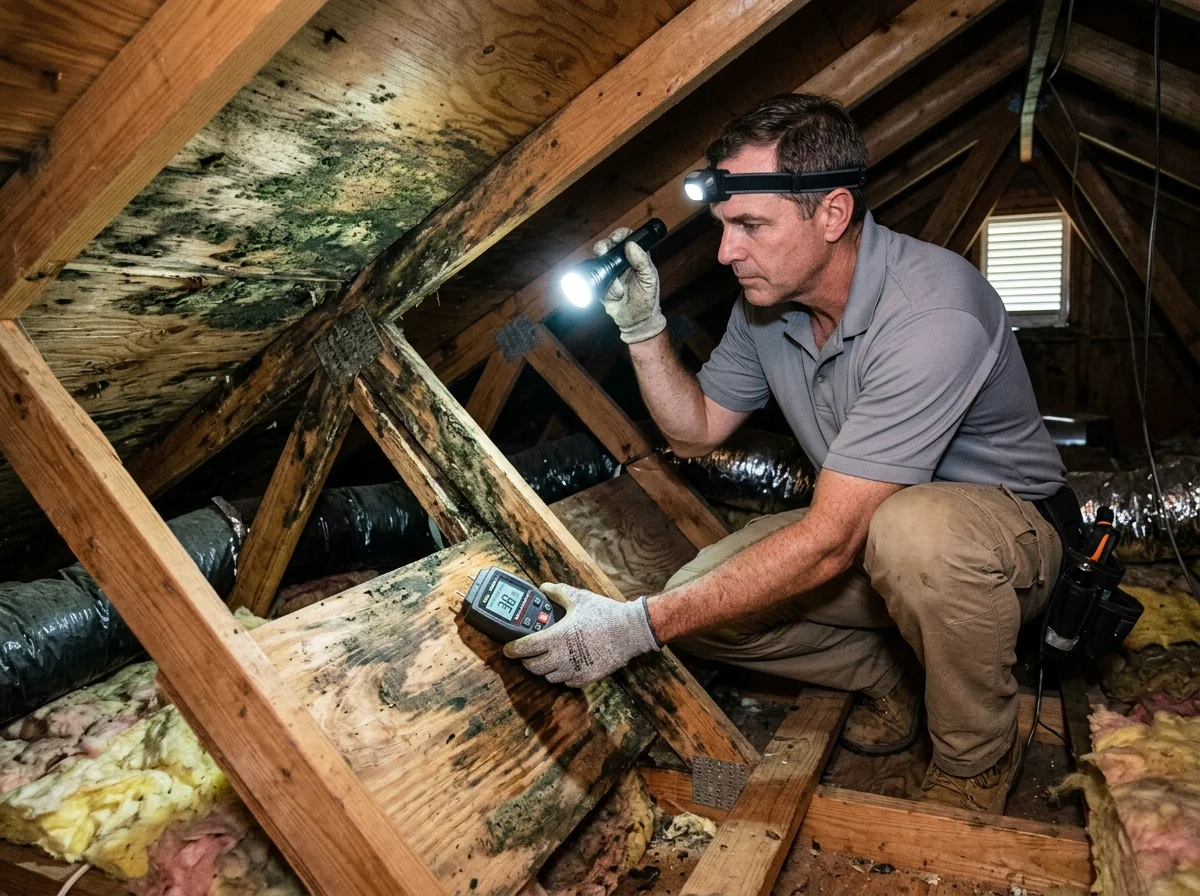
A professional mold testing process checks your home in detail. Experts do more than just look at walls—they test air, surfaces, and moisture levels.
A full inspection may include:
Moisture Detection
Experts find hidden leaks or damp areas that cause mold growth.
Mold Sampling
They collect air and surface samples to identify mold types.
Air Quality Analysis
They check how mold spores move through your home.
Mold Inspection Report
You get a clear report explaining the problem and next steps.
This helps you understand the real condition of your home instead of guessing.
Why Mold Often Hides Inside Homes
Mold in-house problems often start from water damage, leaks, or high humidity. Even small leaks behind sinks or walls can create the perfect environment for growth.
Common causes include:
- Plumbing leaks
- Roof damage
- Poor ventilation
- Flooding or water spills
- High indoor humidity
If you don’t fix moisture quickly, mold damage can spread into walls, floors, and furniture.
How to Prevent Mold Growth in Your Home
You can reduce mold risk with simple daily habits. Prevention is always easier than cleanup.
Try these steps:
- Fix leaks immediately
- Keep rooms dry and well ventilated
- Use exhaust fans in bathrooms and kitchens
- Control indoor humidity
- Clean damp areas regularly
Regular mold inspection also helps you catch problems early before they spread.
Why Professional Help Is Important
DIY cleaning only removes surface mold. It does not solve hidden growth inside walls or air systems. Professional mold testing services use tools like moisture detection and air quality analysis to find the real source.
Experts also provide mold remediation consultation so you know exactly what steps to take next. This prevents the mold from coming back again.
Final Thoughts
You should not ignore these musty smells, stains, and health issues. These are very definite signs of Hidden Problems associated with Mold Detective Florida Can Save Your Health, Home, and Property Value. If you want to out.
Then you can contact Florida Mold Detection for an accurate inspection service and full support. They offer mould inspection for professional mould testing, indoor air quality testing, and full mould detection services to maintain the healthy environment of your home.
If you notice musty smells, stains, or health issues, don’t ignore them. These are strong mold warning signs that point to hidden problems. Early mold testing can protect your home, your health, and your property value.
For reliable inspection and complete support, you can connect with Mold Detective Florida. They provide professional mold inspection, indoor air quality testing, and full mold detection services to keep your home safe.
FAQs
What is mold testing, and why do I need it?
Mold testing is an examination of the house for cofounders to determine if there may be mold (as well as contaminants) circulating in your air. It helps you identify problems while they are small before they escalate.
2. Does mold come without any visible signs to your eyes?
Yes: indoor mold is highly likely to be growing behind walls or beneath floor coverings. You may not see it, but this can still impact your air quality.
3. What Are The Most Common Warning Signs Of Mould?
Mold warning signs inside your home play out in terms of horrible odours found, wall stains spotted, peeling paint, and allergic symptoms in some.
4. Is toxic mold harmful to human health?
Yes, toxic mold can produce respiratory difficulties, triggering long-term public allergies, headaches and ill-health.
5. Every couple of years, perhaps every 5 or so?
Performing mold testing after the water damage is good, and with most of the places being built on moisture it is better to perform this test every few years in humid regions or old homes.