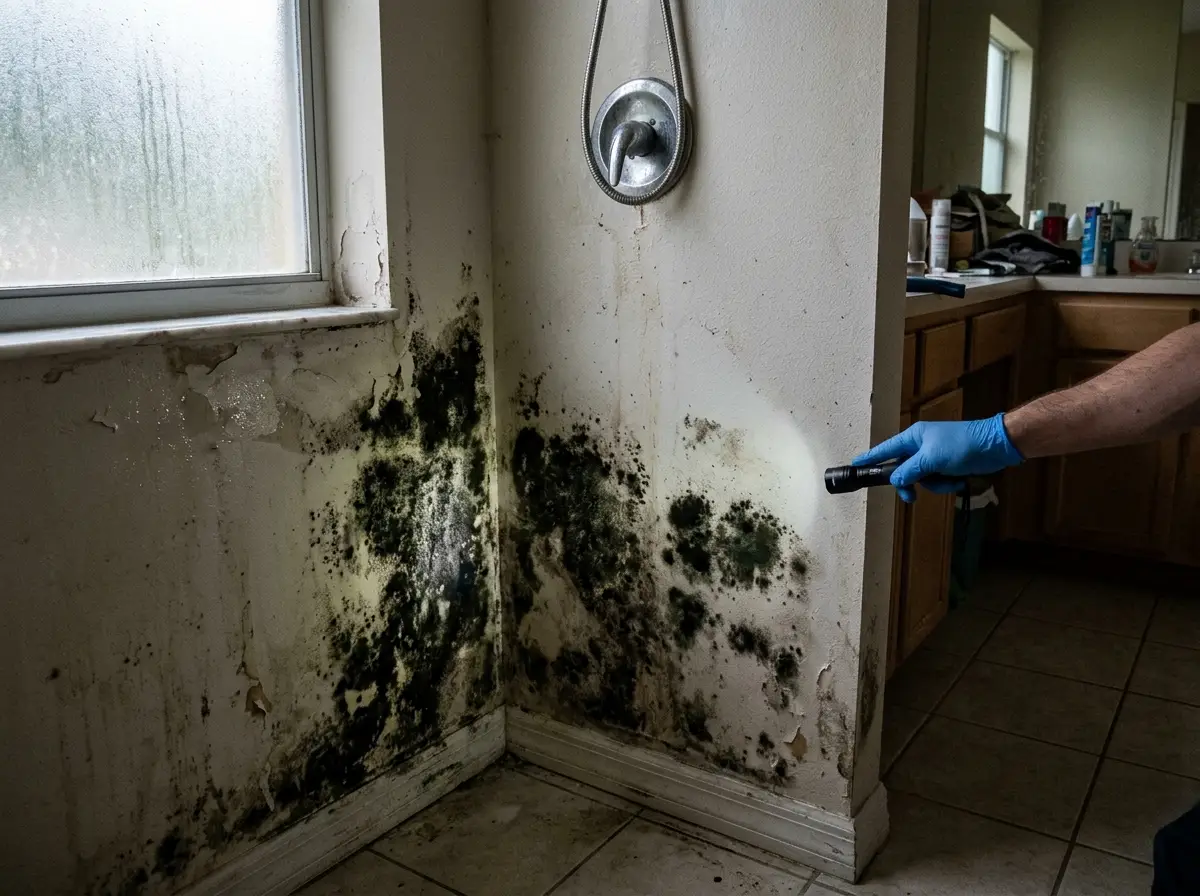
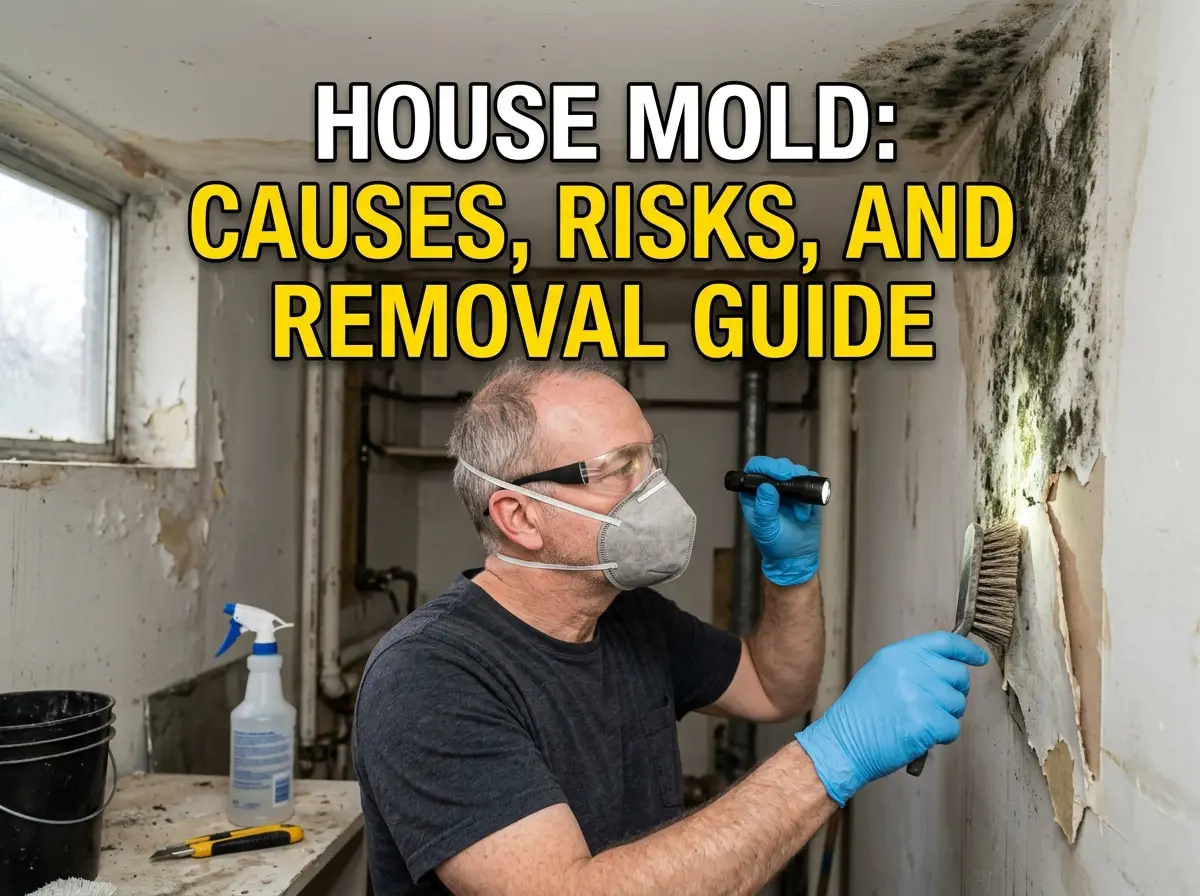
Every homeowner fears finding a fuzzy patch on the drywall. This welcome visitor is house mold, and it spreads quickly through your living space. Florida weather creates the perfect environment for these spores to multiply. You will often smell a musty odor before you see dark spots.
Ignoring the issue makes the situation worse for your property. Spores thrive on wood, drywall, carpets, and ceiling tiles within two days. Dealing with house mold right away saves your home from serious damage. You must act fast to protect your family and keep your rooms clean.
Understanding the True Causes of Home Spores
Moisture is the primary reason you find fuzzy patches inside your home. High indoor humidity levels cause rapid mold growth on almost any surface. Leaky pipes, roof drips, and broken air conditioners introduce unwanted water into dry spaces. Without dry air, your rooms become a breeding ground for these spores.
Proper airflow plays a major role in keeping your indoor spaces dry. Stagnant air inside closets, attics, and crawl spaces traps moisture very easily. This trapped dampness leads to sudden mold growth in areas you rarely check. Keeping your home dry is the best way to prevent this problem.
Where Water Hides in Local Properties
Slow pipe leaks behind your bathroom vanities can go unnoticed for months. This constant moisture triggers mold growth on the back of your drywall. Condensation on metal windows also drips down and feeds spores on wooden frames. You should check these wet spots regularly to keep your home safe.
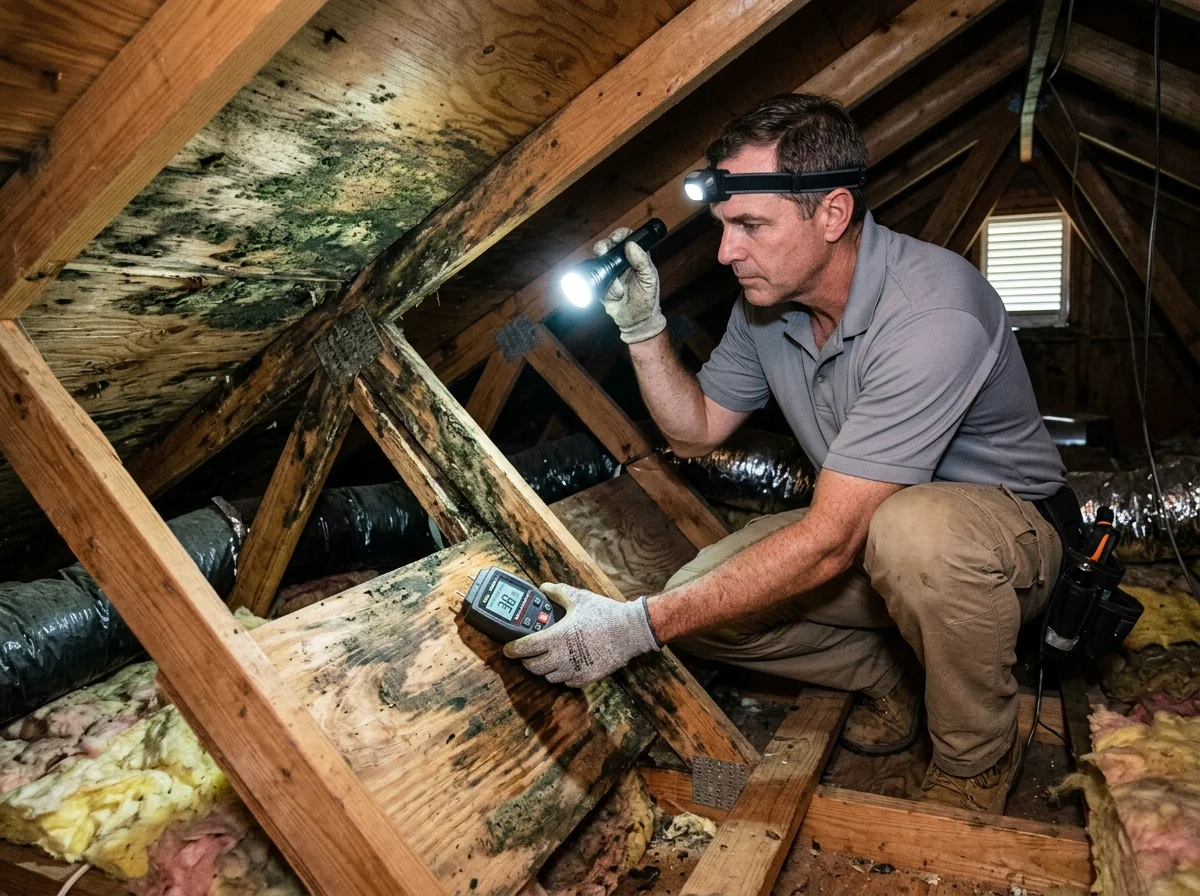
Roof leaks during heavy rainstorms send water straight into your dark attic. This wet wood allows hidden mold growth to spread across the roof rafters. It eats away at the structure before any spots show on ceilings. Fixing roof leaks immediately protects your upper building layers.
The Serious Risks of Ignoring the Problem
Living with spores takes a heavy toll on your physical health. Microscopic particles float through the air and enter your lungs when you breathe. People often experience coughing, sneezing, sore throats, and watery eyes from this bad air. Clean air is necessary if you want to feel good.
How Spores Impact Your Daily Health
Breathing in these spores triggers sudden asthma attacks in sensitive family members. Young children and senior citizens suffer the most from poor indoor air quality. Long exposure leads to chronic respiratory issues and deep sinus infections. Keeping the air clean protects everyone from these unwanted health troubles.
Some species release toxic compounds that cause severe skin rashes and fatigue. Headaches and dizziness are also common when you breathe contaminated air for weeks. You should never risk your wellness by waiting to handle a fungal outbreak. Clean spaces help your family breathe easily and stay healthy.
Damage to Your Building Structure
Fungi do not just sit on surfaces; they actively eat organic materials. The organisms digest drywall, wooden studs, ceiling boards, and subflooring over time. This continuous eating process weakens the structural integrity of your entire residential property. Replacing these rotten wood framing sections costs thousands of hard-earned dollars.
Peeling paint and bubbling wallpaper are common signs of underlying fungal damage. The spores destroy insulation inside your walls, which increases your monthly energy bills. Your carpets rot from the bottom up if moisture stays trapped beneath. Fixing the issue early prevents your home from losing its value.
Finding What Lurks Behind Your Drywall
You cannot always see the fungi that grow inside your property. Spores love dark, damp spaces that sit completely out of view. Finding this hidden mold requires a careful look at areas with high moisture. If you smell something earthy but see nothing, you have an issue.
Professional help is the safest way to find out what is happening. Experts use special tools to check behind your walls without breaking anything. They locate hidden mold before it spreads to your clean living zones. Finding these secret pockets early prevents massive cleanup bills later.
Your Guide to Effective Visual Evaluations
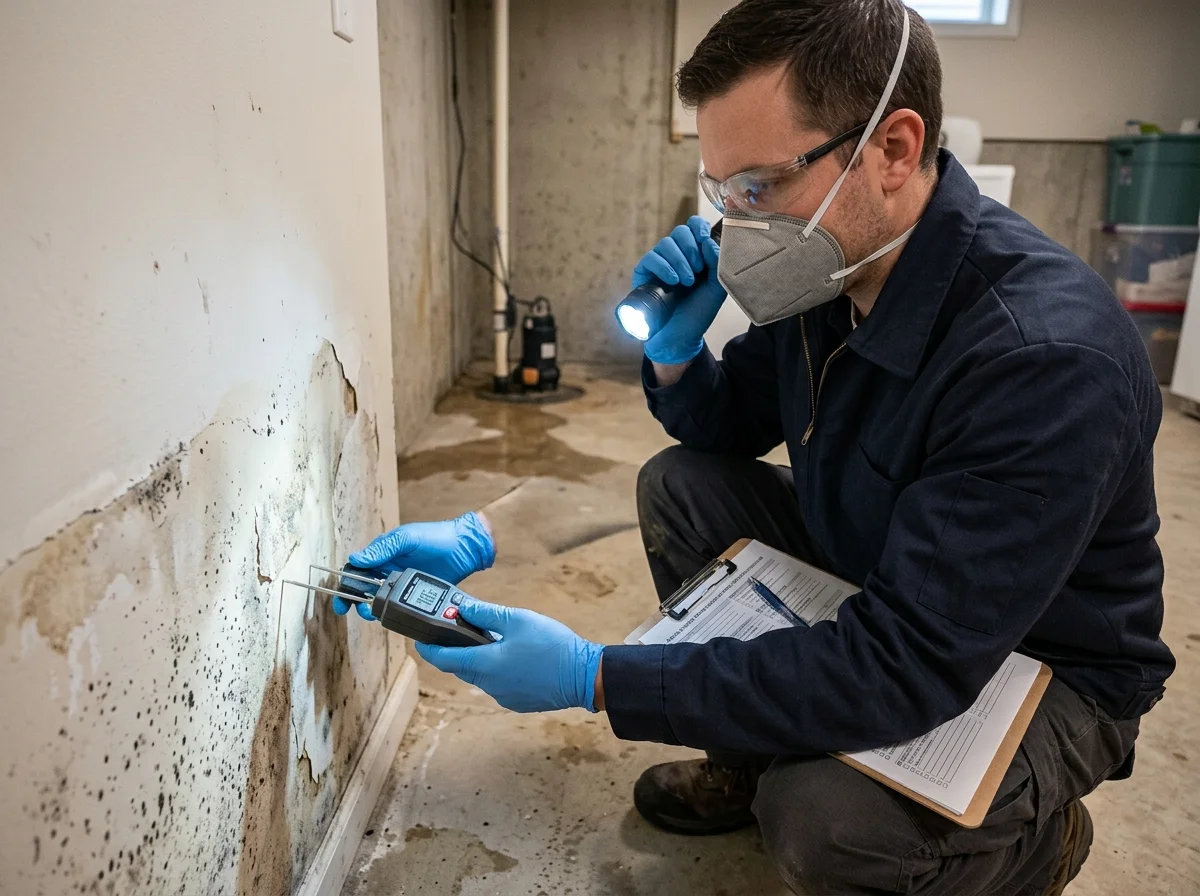
Many people ask what a mold inspection is when they call our team. This process is a thorough check of your home to find fungal problems. An expert looks at your walls, ceilings, floors, and air systems carefully. They use advanced tools to find damp spots that feed bad spores.
A good check includes taking air and surface samples for lab testing. This step identifies the exact type of fungi growing in your home. Understanding what a mold inspection is helps you see the value of expert eyes. It gives you a clear map of the problems inside your house.
Checking the Price of Professional Help
Homeowners always need to know what a mold inspection costs before booking. The total cost usually depends on the size of your house. Small apartments cost less to check than large two-story family homes. The number of samples sent to the lab also changes the final price.
You can expect to invest a reasonable amount for a detailed report. This fee covers the expert tools, lab fees, and the inspector’s time. Knowing how much a mold inspection costs helps you budget for home maintenance. It is a small price to pay for your family’s peace of mind.
Avoid Scams and Free Check Offers
You might see advertisements showing how to get a free mold inspection online. Many people look for these deals to save cash on home repairs. However, these free offers are often a trick by dishonest companies. They use the free visit to scare you into buying expensive services.
True experts use high-end equipment that costs money to run and maintain. This is why learning how to get a free mold inspection is risky. Honest companies charge a fair price because they give you unbiased lab results. Paying for an independent test ensures you get the real facts.
Safe and Proper Techniques for Removal
You can clean small areas of surface growth without hiring professional help. Scrubbing hard surfaces with soap and warm water removes minor everyday spots. You must wear protective gloves, a mask, and goggles during this cleanup. Keeping the room well-ventilated prevents you from breathing in loose particles.
Large infestations require professional remediation to ensure the job is done right. Experts seal off the contaminated area using heavy plastic sheeting and machines. They safely remove porous materials like rotten drywall, wet insulation, and old carpets. This deep cleaning process stops the fungi from returning to your home.
Protect Your Fort Pierce Home Today
Do not let hidden dampness ruin your property or compromise your family’s health. The team at molddetectivefl provides independent, certified assessments you can trust. We use advanced moisture meters and lab-verified testing to find every problem area. Our clear reports give you the exact facts without any pressure or hidden fees.
We serve Fort Pierce and the surrounding Florida communities with honest, professional service. Our inspectors do not perform remediation, so our results remain completely unbiased. Take control of your indoor air quality and protect your real estate investment now. Call molddetectivefl at (772) 242-4024 today to schedule your expert home evaluation.
FAQS
How long does a standard home evaluation take?
A typical home check takes between one and two hours to complete. Large properties or homes with complex water damage may require additional time.
Can I stay inside my house during the testing process?
Yes, you can safely stay in your home while the inspector works. The tools and sampling methods used are quiet, clean, and completely non-invasive.
How fast do I get the lab test results back?
You will receive the final lab-verified report within two to three business days. We explain every finding clearly so you can take action immediately.
What are the most common signs of a hidden fungal issue?
A persistent musty odor is the most common sign of a secret problem. Unexplained health symptoms like sneezing or coughing also point to hidden spores.
Does homeowners’ insurance cover the cost of these assessments?
Coverage depends on your specific policy and the cause of the water issue. Many policies cover testing if the damage came from a sudden pipe burst.