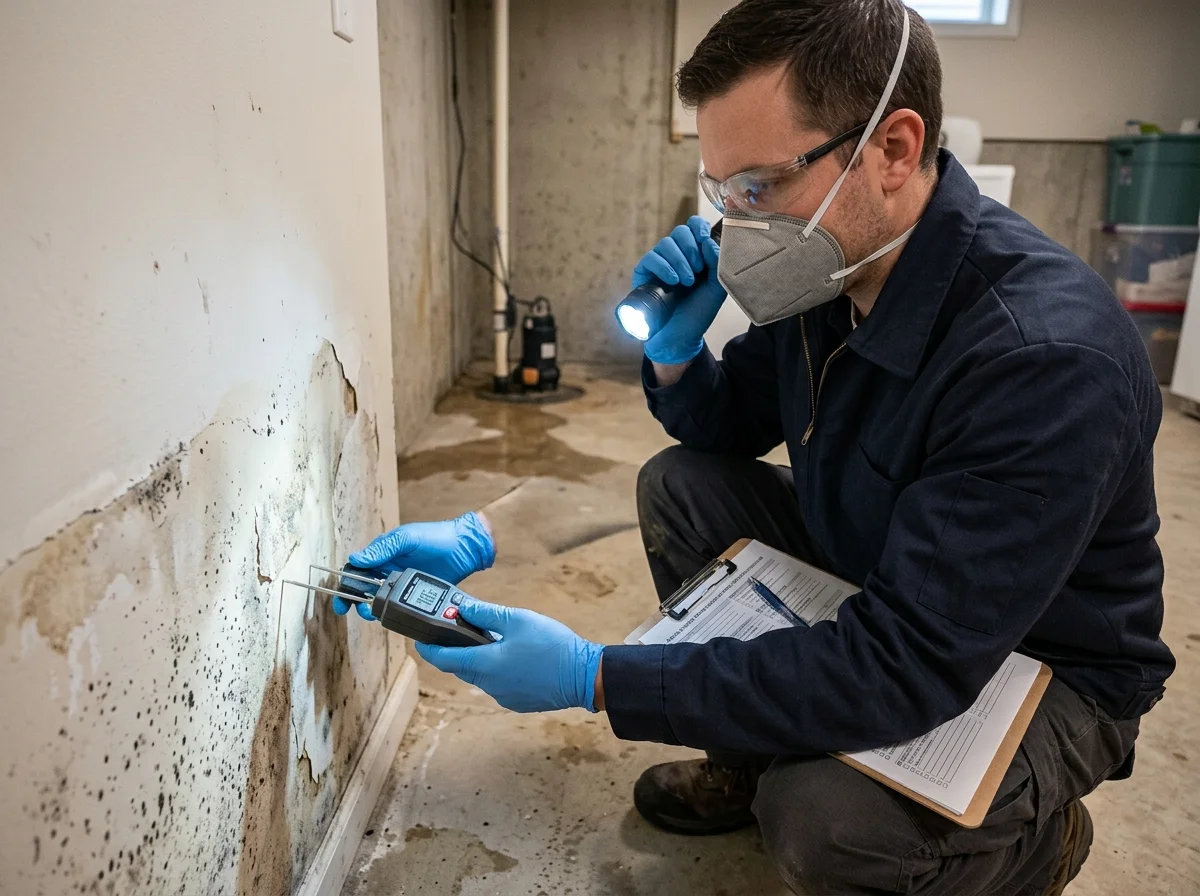
A lot of buyers in Port St. Lucie assume their home inspection covers mold. It is an understandable assumption. You hire an inspector, they go through the entire property, they produce a detailed report. Surely mold would come up in that process if it were present.
It often does not. And in a city with Port St. Lucie’s climate, storm history, and housing mix, that gap between what a standard home inspection covers and what a professional mold inspection in Port St. Lucie FL covers is the gap where buyers get caught out. This article breaks down exactly what each inspection does, where the differences matter, and why ordering both before closing is one of the more practical decisions a Florida homebuyer can make. Mold Detective Florida helps Florida homeowners and buyers identify mold and moisture concerns before they become costly problems.
What a Standard Home Inspection Actually Covers
A licensed home inspector in Florida is trained to assess the visible, accessible condition of a property’s major systems and structural components. Roof condition from the exterior and from the attic hatch. Foundation. Electrical panels and visible wiring. Plumbing fixtures and accessible supply and drain lines. HVAC equipment operation. Windows, doors, insulation where visible. The inspector walks through the property methodically and documents what they find.
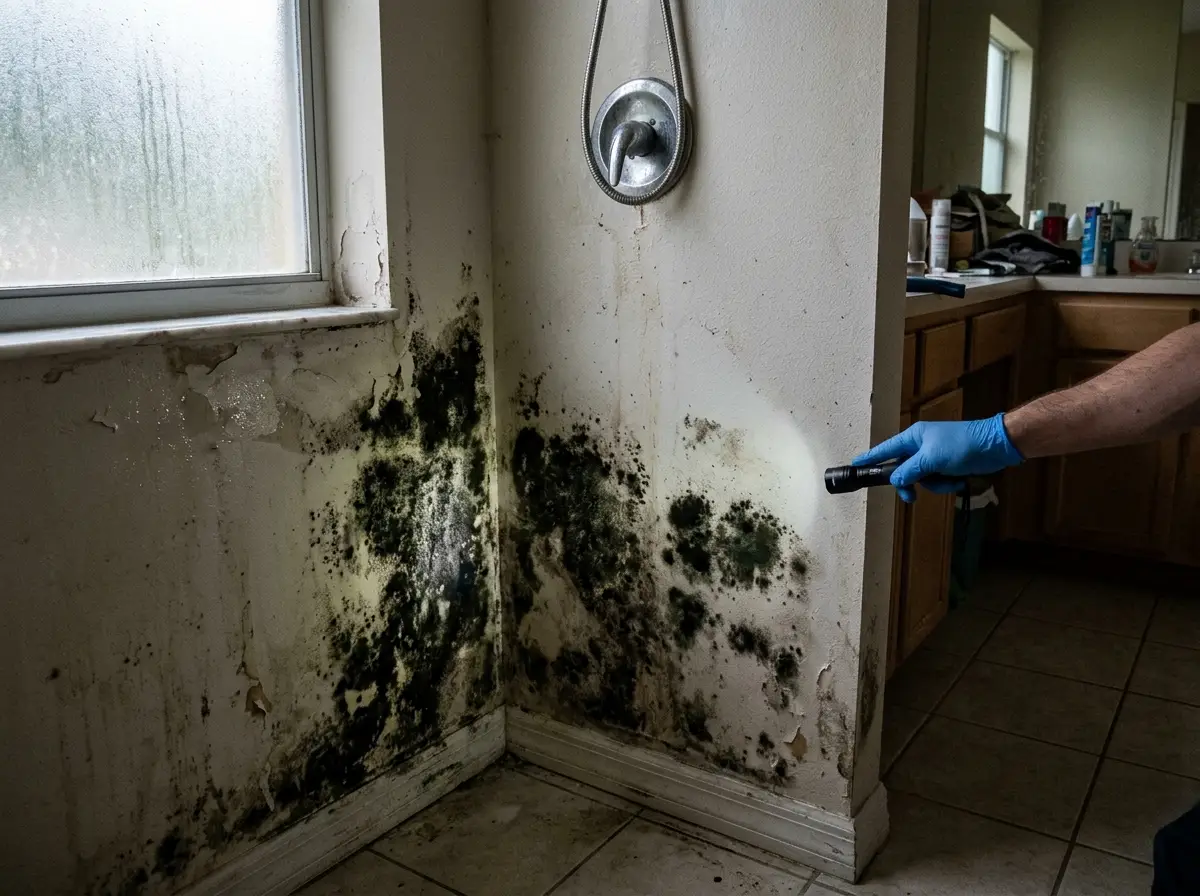
The key word in all of that is visible. A standard home inspection is a visual assessment. The inspector is not equipped or trained to measure moisture content inside wall cavities, run air quality samples, or determine whether mold is present inside materials that appear intact on the surface. They may note visible mold if it is present on an accessible surface, and a good inspector will flag signs that suggest moisture problems. But flagging a water stain on a ceiling is different from determining whether active mold is growing in the attic space above it.
Home inspectors in Florida also work under time pressure. A thorough standard home inspection of a typical Port St. Lucie property takes two to three hours. In that time, the inspector is covering every major system in the house. The depth of investigation into any single area is necessarily limited by the scope of what they are there to do.
None of this is a criticism of home inspectors. They do what they are trained and licensed to do. The problem is buyer expectation. When a home inspection report comes back without mentioning mold, buyers frequently interpret that as confirmation the home does not have a mold problem. That interpretation is not always correct.
What a Professional Mold Inspection Actually Covers
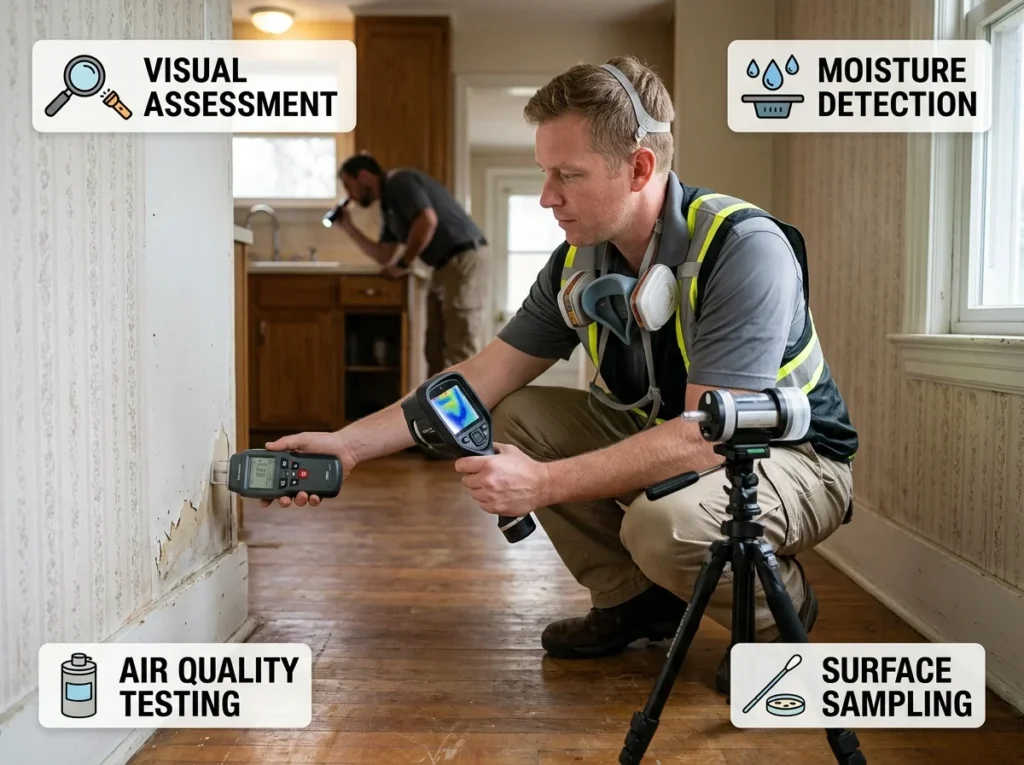
A professional mold inspection and testing starts where a standard home inspection stops. It is specifically designed to answer one question: is mold present in this property, and if so, where and how serious is it?
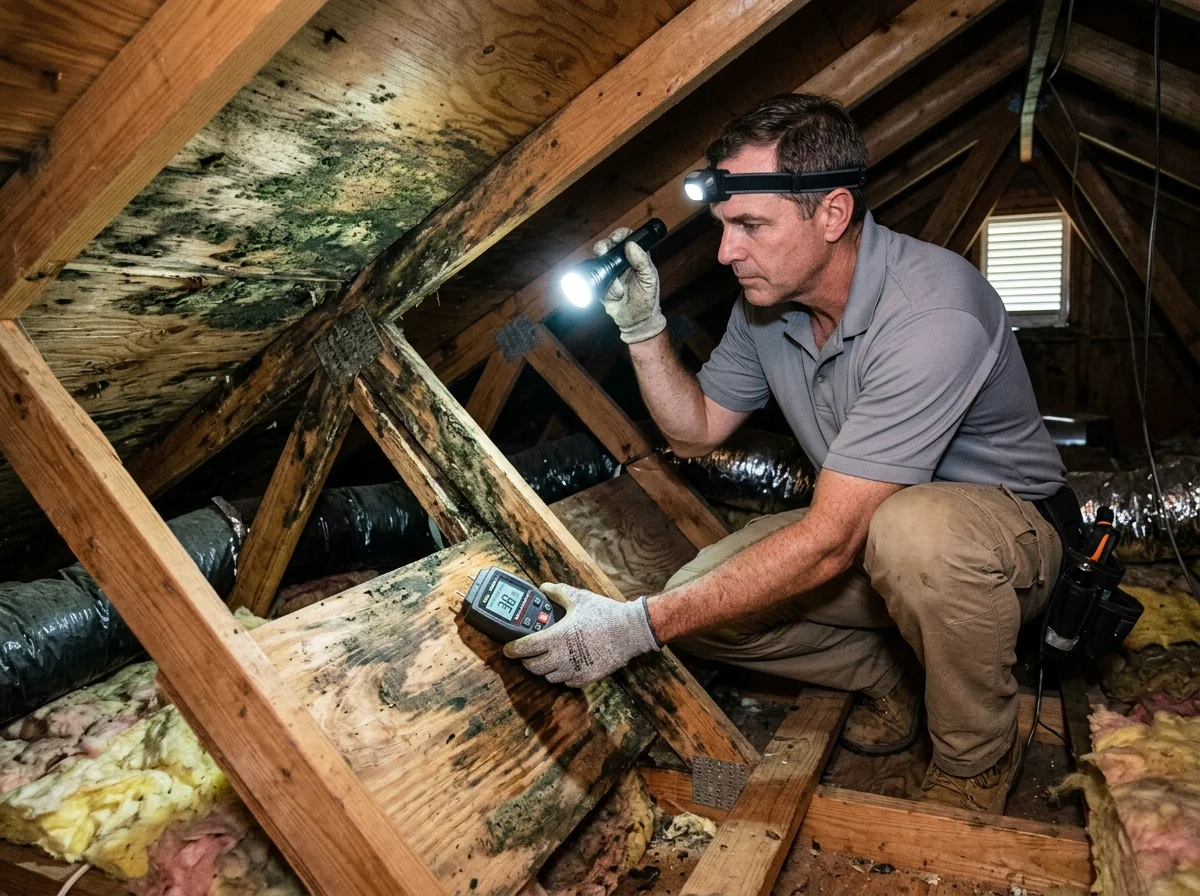
The tools involved are different. A moisture meter measures actual moisture content inside building materials without requiring any cutting or opening of walls. An inspector running moisture checks on drywall, wood framing, and subfloor materials can identify elevated moisture levels that are invisible to the eye and that indicate conditions where mold is likely present or actively growing. In Port St. Lucie homes where past leaks, flooding, or chronic humidity have affected building materials, a moisture meter produces findings that no visual inspection would catch.
Air sampling is the other primary tool. Spore trap samples taken in different areas of the home measure the concentration and types of mold spores present in the air. Those samples go to a laboratory for analysis. The results show whether indoor mold spore levels are elevated compared to outdoor baseline levels, and whether the types of spores found indoors are consistent with active mold growth somewhere in the structure.A home can smell completely normal, look completely normal, and still show significantly elevated indoor spore counts that point toward hidden mold. Buyers who want to understand the different methods used to identify mold can also learn how to test for mold before making a purchase decision.
Beyond the tools, a professional mold inspection involves physically entering and examining areas that standard home inspections assess only from access points. Attic spaces are walked, not just viewed from the hatch. Crawl spaces are entered and checked throughout. Areas around air handlers, drain pans, and ductwork are examined specifically for moisture and mold. Under-sink cabinets, bathroom walls around shower surrounds, and low wall areas in any room with a history of water intrusion are checked with moisture meters rather than just observed visually.
The result is a report that tells you not just whether mold is visible but whether the conditions inside the building materials support active mold growth and whether remediation is needed before the property is safe to occupy.
Why Port St. Lucie Makes This Distinction Especially Important
This is not a generic Florida issue, though Florida’s climate makes it relevant statewide. Port St. Lucie has specific characteristics that make the gap between a standard home inspection and a professional mold inspection more consequential than it would be in a drier, cooler market.
The city sits in a part of Florida that sees consistent tropical storm activity. St. Lucie County has experienced significant flooding during past storm seasons, and not every home that took on water during those events was professionally dried and remediated afterward. Homes that were handled with residential fans and a basic dehumidifier may look completely normal today while carrying mold inside wall bases and under flooring that has been there for years. Buyers can also review Florida water damage and mold prevention information to better understand how moisture problems can contribute to mold growth.
Port St. Lucie has also grown rapidly. That growth includes both older homes from the 1980s and 1990s with aging HVAC systems, original plumbing, and roofing that has been through decades of Florida weather, and newer construction that went up quickly during building booms where quality control varied. Older homes carry the risk of long-term accumulated moisture damage. Newer homes sometimes carry the risk of construction moisture that was sealed into the building before it fully dried, or of HVAC systems that were not properly sized or commissioned for the home’s layout.
The outdoor humidity Port St. Lucie deals with for the majority of the year means that any moisture that gets into a building material stays there. A wall that absorbed water during a plumbing leak two years ago and was surface-dried but not professionally assessed may still have elevated moisture content today. In a drier climate, that same wall might have self-corrected over time. Here it does not work that way.
The Specific Gaps a Standard Inspection Leaves in Florida
Understanding exactly where standard home inspections fall short in a Port St. Lucie context helps buyers make informed decisions about what additional inspection they need.
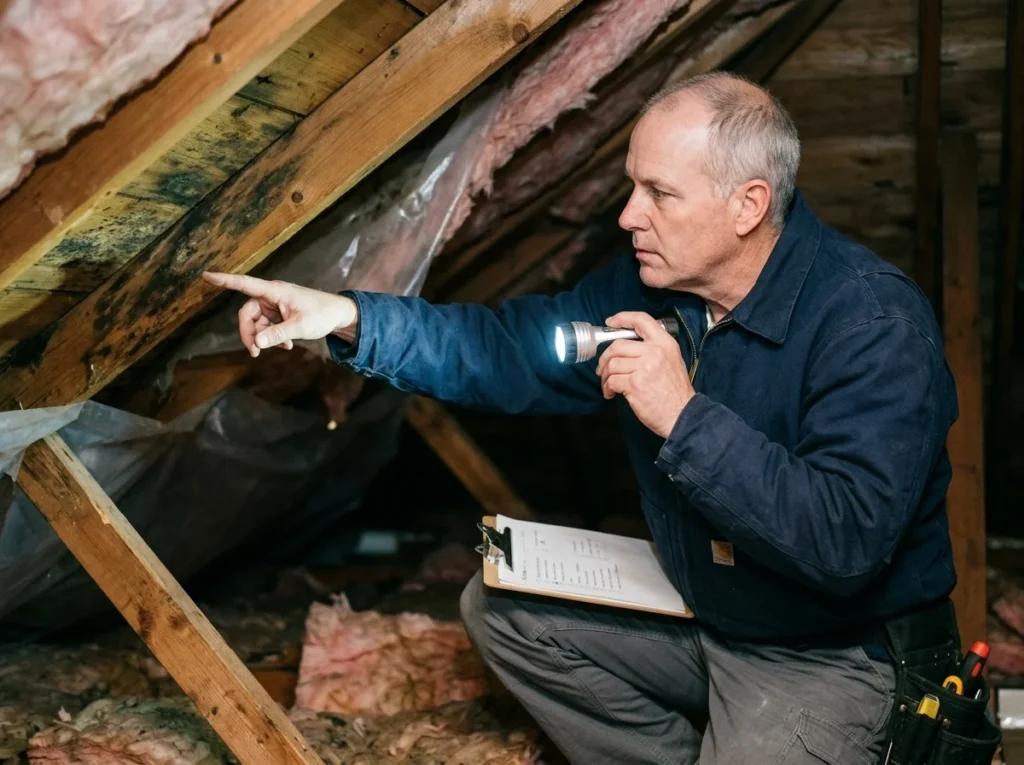
Attics are one of the most significant gaps. A standard home inspector views the attic from the hatch opening or takes a brief look inside. A professional mold inspector enters the attic fully and uses a moisture meter to check roof sheathing throughout, paying particular attention to areas around every roof penetration. Attic mold from slow roof leaks is one of the most consistent findings in professional mold inspections across Port St. Lucie, and it is almost never identified during a standard home inspection because the problem is in the sheathing boards, not on any surface visible from the hatch.
HVAC systems present another gap. A standard home inspection checks whether the system operates. It does not typically assess whether the drain pan has overflowed in the past, whether mold is present around the air handler cabinet, or whether elevated spore counts in the ductwork suggest mold somewhere in the system. In Port St. Lucie homes where systems run continuously for most of the year, condensate drainage issues and resulting mold around air handlers are frequent professional inspection findings.
Wall cavities after any kind of water event are essentially invisible to standard inspection. A water stain on a wall might be noted as evidence of a past leak. Whether that past leak left mold growing inside the wall cavity is a question that only moisture meter readings and potentially air sampling can answer.
Crawl spaces in older Port St. Lucie homes get limited attention during standard inspections. A professional mold inspection involves entering the crawl space and checking structural wood throughout for moisture and mold, which is where serious findings often are in older properties.
Can a Home Inspector Recommend a Mold Inspection?
Yes, and many do. A good home inspector who finds signs of moisture damage, past water intrusion, or conditions that suggest elevated mold risk will typically recommend a follow-up mold inspection. That recommendation is worth taking seriously when it appears in an inspection report.
The challenge is that the absence of that recommendation does not mean the home is clear. An inspector who did not find obvious moisture signs during a visual inspection has no obligation to recommend further mold testing, and may not suggest it even in homes where professional mold inspection would reveal problems. The recommendation is a useful signal when it appears. It is not a guarantee of cleanliness when it does not.
Buyers in Port St. Lucie who are serious about understanding what they are purchasing are better served by ordering a professional mold inspection proactively rather than waiting to see if the home inspector flags something. The cost difference between the two approaches is small. The information difference can be significant.
What Happens When Each Inspection Finds Something
A standard home inspection that identifies a problem, a roof that needs work, an HVAC system showing age, a water stain with an unclear source, gives you a starting point for negotiation. You can ask the seller to repair, replace, or reduce the price accordingly. Most Florida purchase contracts include an inspection period specifically to allow for this kind of negotiation.
A professional mold inspection that identifies mold gives you similarly concrete information, but with some important differences. Mold remediation costs vary significantly depending on location, extent, and the materials involved. An inspection report that shows attic mold in roof sheathing, for example, gives you a basis to request professional remediation before closing, a price reduction that accounts for remediation costs, or the option to walk away if the scope is beyond what makes the purchase worthwhile.
None of those options exist after closing. Once the purchase is complete, whatever mold is in the home is the new owner’s problem and the new owner’s expense. The home inspection mold Florida dynamic comes down to timing. Finding it before closing gives you leverage and options. Finding it after gives you a remediation bill.
The Cost Question Buyers Always Ask
A standard home inspection in Port St. Lucie typically runs in the range of a few hundred dollars depending on property size. A professional mold inspection adds cost on top of that. Buyers sometimes resist adding that cost to a purchase process that already involves significant expenses.
The comparison worth making is not inspection cost versus no inspection cost. It is inspection cost versus remediation cost. Mold remediation in a Port St. Lucie home can range from a few thousand dollars for a contained, accessible problem to significantly more for attic remediation, crawl space work, or situations where multiple areas of the home are affected. A professional mold inspection that catches a problem before closing and allows the buyer to negotiate a price reduction or seller-funded remediation saves considerably more than it costs in the situations where it finds something.
In the situations where it finds nothing, it gives the buyer confirmed peace of mind about the biological condition of the home they are purchasing, which is worth something too, especially in a climate like Port St. Lucie’s.
FAQ: Mold Inspection vs Home Inspection in Port St. Lucie FL
Does a standard home inspection check for mold in Florida?
A standard home inspection may note visible mold on accessible surfaces, but it is not designed to detect hidden mold inside walls, attics, crawl spaces, or ductwork. A professional mold inspection uses moisture meters and air sampling specifically to find mold that visual inspection alone cannot identify.
Do I need both a home inspection and a mold inspection when buying in Port St. Lucie?
For most Port St. Lucie properties, yes. They answer different questions. A standard home inspection covers systems and structure. A professional mold inspection covers the biological condition of building materials and indoor air quality. In Port St. Lucie’s climate and with its storm history, the second inspection fills a gap the first one leaves.
How long does a professional mold inspection take?
A thorough professional mold inspection of a typical Port St. Lucie home takes two to three hours. Laboratory analysis of air samples adds a few days before the full report is available. Build this timeline into your inspection period when scheduling.
What if the home inspector says the home looks fine? Do I still need a mold inspection?
A clean standard home inspection reduces the likelihood of obvious problems but does not confirm the absence of mold. Mold inside wall cavities, attic sheathing, and crawl space framing often produces no visible surface signs until growth is already significant. A professional mold inspection answers the question a standard inspection cannot.
Can a seller be required to remediate mold found during a mold inspection?
This depends on the purchase contract and negotiation between buyer and seller. Florida law requires sellers to disclose known defects, but mold that was not known to the seller cannot be disclosed. A mold inspection that finds problems during the inspection period gives the buyer grounds to negotiate remediation, a price reduction, or contract cancellation depending on what the contract allows.
Final Thought
A home inspection and a mold inspection in Port St. Lucie FL are not the same thing, and one does not replace the other. They cover different aspects of a property and use different methods to do it. In a market like Port St. Lucie, where humidity, storm history, and a wide range of housing ages all contribute to mold risk, understanding that difference before you close is the kind of information that protects your investment rather than leaving you to discover problems after the purchase is done.
Order both. Know what you are buying. The inspection period exists precisely for this kind of due diligence, and Port St. Lucie’s real estate market rewards buyers who use it thoroughly. If you are preparing to purchase a home and want professional help assessing potential mold concerns, contact our team to schedule an inspection.