Port St. Lucie has been one of Florida’s fastest growing cities for a reason. The neighborhoods are established, the pricing is still relatively accessible compared to coastal cities further south, and the area draws both families and retirees at a steady pace. But buying a home here comes with a specific consideration that a lot of buyers, especially those relocating from other states, do not fully account for until it is too late. Mold.
Not every home has it. But enough do that skipping a proper mold inspection in Port St. Lucie before closing is a genuine financial risk. The city’s humidity, its mix of older and newer construction, and the storm exposure this part of St. Lucie County sees regularly all contribute to mold conditions that a standard home inspection often misses entirely. This guide covers what actually shows up during professional mold inspections in Port St. Lucie homes, where it hides, and what buyers need to understand before they sign anything.
Why Port St. Lucie Homes Are Particularly Vulnerable
The city has grown fast. That growth means the housing stock here covers a wide range — older homes built in the 1980s and 1990s alongside newer construction that went up quickly during the last two building booms. Both ends of that spectrum have their own mold vulnerabilities, and the climate ties them together.
St. Lucie County sits in a humid subtropical zone where summer temperatures regularly stay above 90 degrees and outdoor humidity rarely drops below 70% even at night. Homes here run their air conditioning for the better part of eight to nine months a year. That constant AC use creates condensation inside ductwork, around air handlers, and along any poorly insulated surface where cold air meets warm humid air from outside. Add in the rainfall Port St. Lucie receives during wet season, the tropical storm activity that hits this part of the Treasure Coast, and the flat drainage terrain that makes standing water slow to move after heavy rain, and you have a location where mold problems in Port St. Lucie homes are not unusual findings. They are expected ones.
A buyer coming in from Ohio or the Midwest often does not know to ask about any of this. By the time mold becomes visible after closing, the purchase is complete and the problem belongs entirely to them.
Attic Mold: The Most Commonly Missed Finding
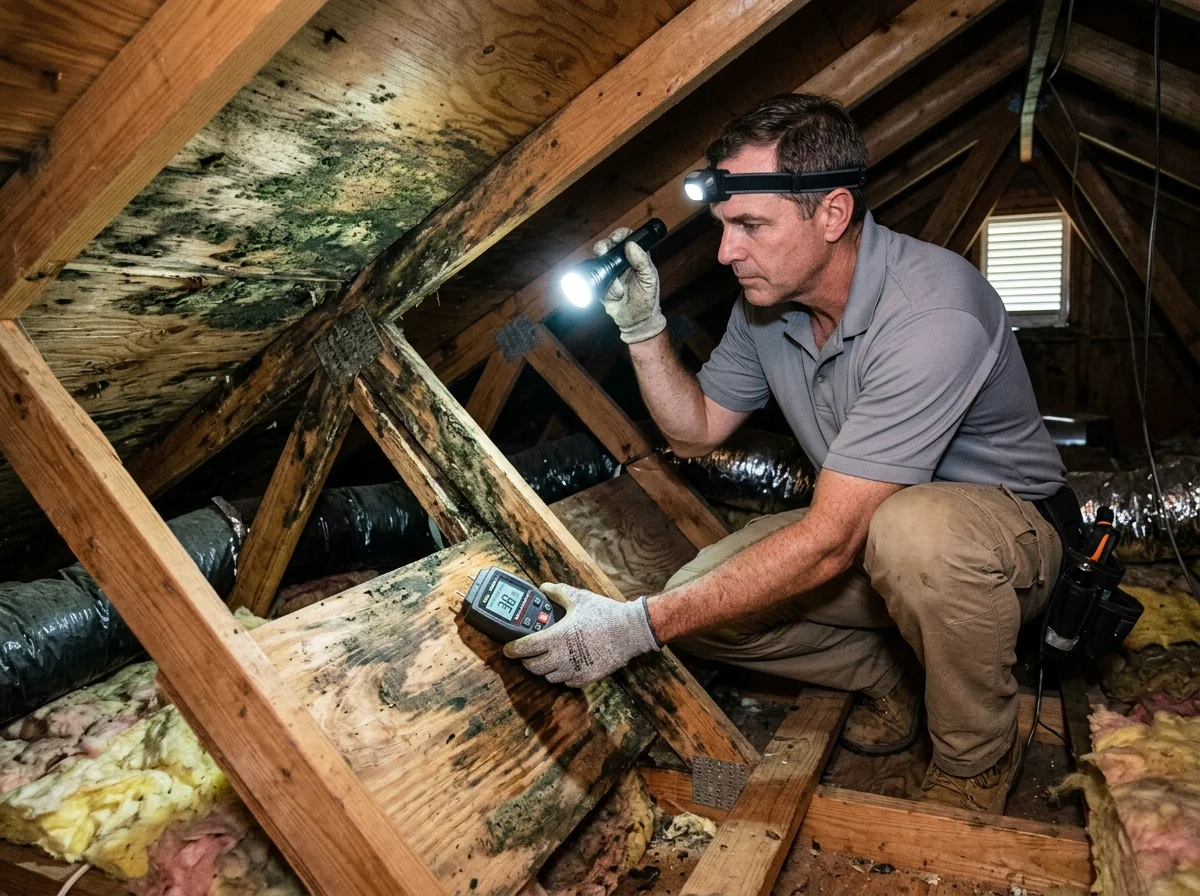
If there is one area where professional mold inspections in Port St. Lucie consistently find problems that standard home inspections miss, it is the attic. Attics in Florida homes are brutal environments. They sit directly under the roof in a climate where roof surface temperatures can exceed 150 degrees on a summer afternoon. Ventilation is often inadequate. Insulation degrades faster than in cooler climates. And any roof penetration that is not perfectly sealed becomes a water entry point during the heavy rains and tropical systems this area receives.
Roof leaks in Port St. Lucie homes frequently run into the attic for an extended period before any sign appears on the ceiling below. Water soaks into the roof sheathing, spreads laterally across insulation, and finds the lowest point it can reach. The attic stays warm, the moisture stays trapped, and mold establishes in the sheathing and framing long before a water stain appears on a bedroom ceiling.
During a home inspection, attics often get a cursory look from the hatch opening. A professional mold inspection involves actually entering the attic space, checking moisture levels in the sheathing with a meter, and looking at areas around every roof penetration including vents, plumbing stacks, and HVAC equipment. The difference in what those two inspections find is significant. Attic mold in Port St. Lucie homes is consistently one of the top findings, and it is almost always invisible from the hatch.
HVAC Systems and the Mold Problem Nobody Sees Coming
Port St. Lucie homes run their air conditioning hard. A system that runs eight or nine months a year accumulates wear, and more importantly for mold, it accumulates moisture in ways that less-used systems in cooler climates do not.
The air handler unit, typically located in a utility closet, garage, or dedicated space inside the home, produces condensation as part of normal operation. That condensation drains through a condensate line. When that line becomes partially blocked, which happens regularly in Florida due to algae and debris accumulation, water backs up into the drain pan and eventually overflows. A slow overflow that goes unnoticed for weeks or months saturates the surrounding area. Drywall, framing, and flooring adjacent to an air handler that has had condensate drainage issues will almost always show elevated moisture levels during a professional inspection.
Beyond the air handler, mold inside ductwork is a finding that concerns buyers more than almost anything else because of what it means for indoor air quality. Mold inside ducts distributes spores through every room every time the system runs. Occupants experience symptoms throughout the home, not just near the visible problem. During a home inspection mold Port St. Lucie process, ductwork is checked for mold presence, not just the visible surfaces around supply and return vents.
Older homes in Port St. Lucie with ductwork that has not been replaced or professionally cleaned in many years are at higher risk. But even newer construction is not immune if the system was improperly commissioned, incorrectly sized for the home, or if drainage issues developed early and were not addressed.
Bathroom Mold That Goes Deeper Than the Grout
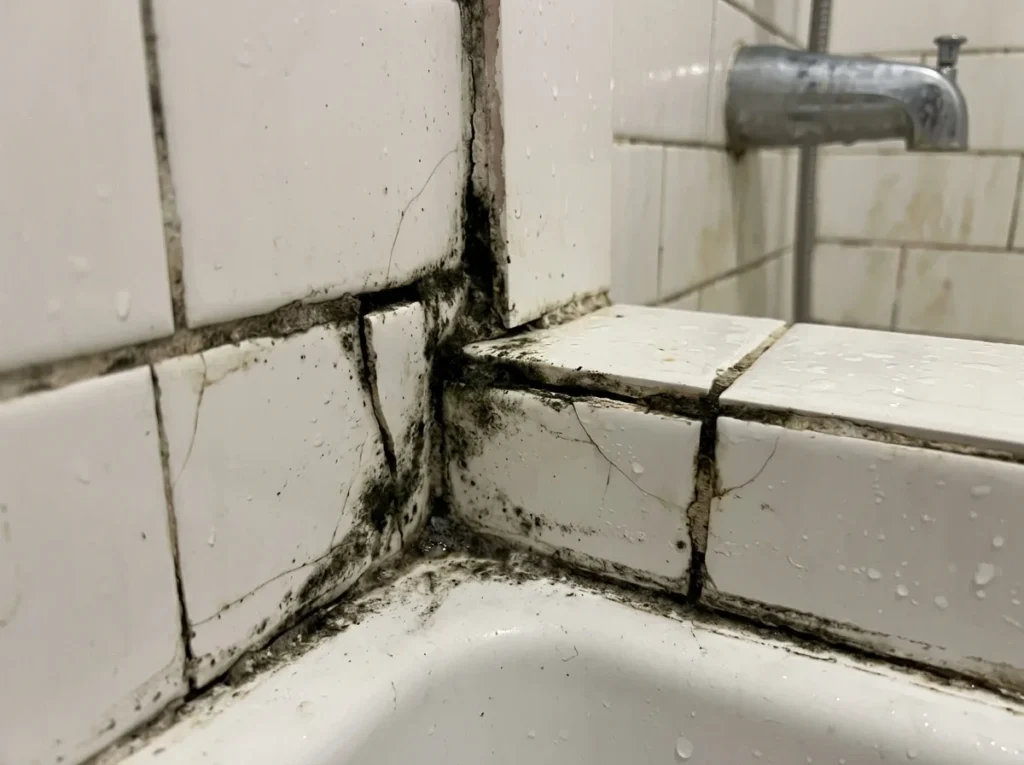
Every home inspector in Florida has seen bathroom mold. Grout discoloration, black spots around caulk lines, surface growth on ceilings above showers. Buyers see these things during a standard walkthrough and often assume it is a cosmetic issue, something a good cleaning or a recaulk will fix.
Sometimes that is true. More often in Port St. Lucie homes it is not.
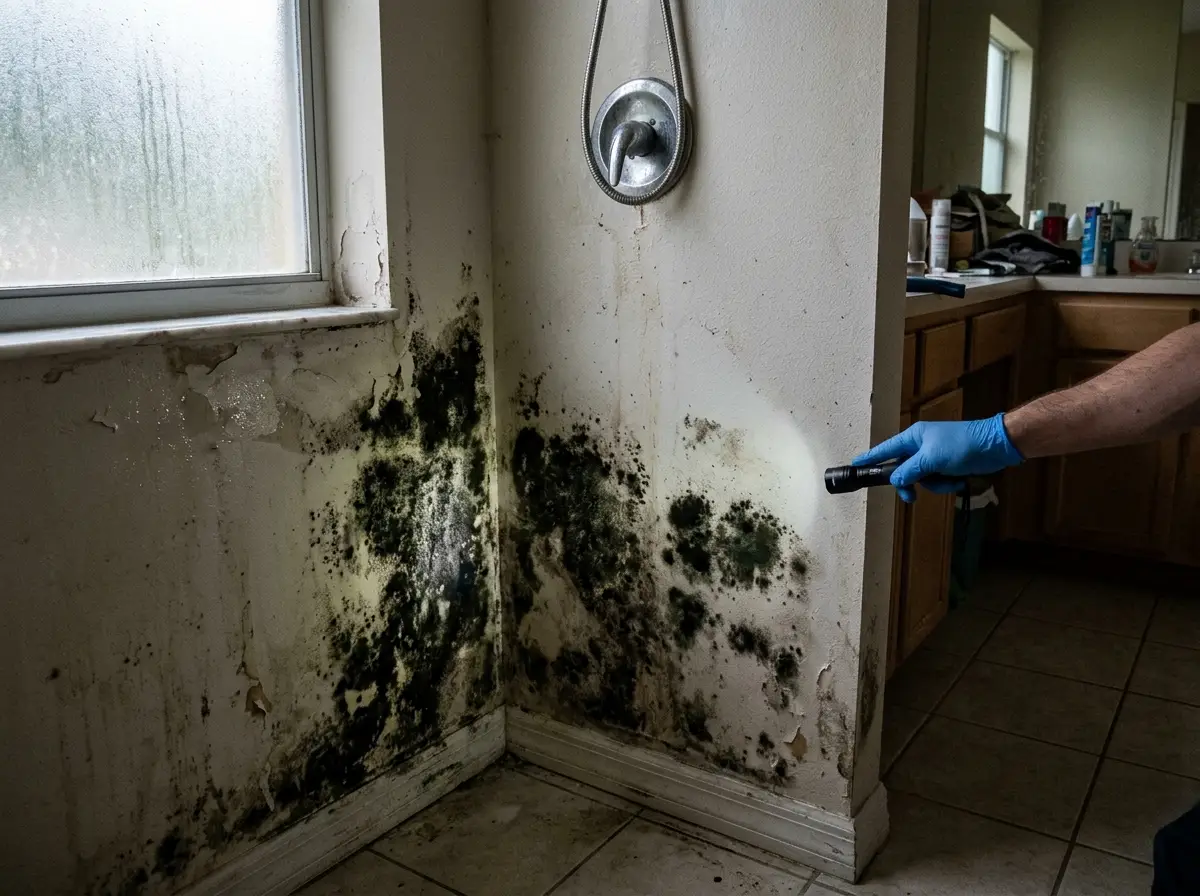
Bathrooms in Florida deal with humidity levels that bathrooms in most other states simply do not. When exhaust ventilation is poor, which it frequently is in older construction and even in some newer builds where fans were sized too small or vent runs are too long, that humidity does not leave the room. It moves into walls. The tile and grout you see on the surface is not the problem. The backer board and wall framing behind it are.
What professional mold inspections find behind Port St. Lucie bathroom walls regularly is mold that has established in the backer board and sometimes in the framing studs, fed by years of moisture penetrating through cracked or missing grout and deteriorated caulk. The surface might look manageable. Behind it, materials often need to be removed entirely and replaced before any new tile work goes on top.
Master bathrooms in larger Port St. Lucie homes, particularly those with walk-in showers and limited natural ventilation, are among the most consistent locations for this finding. Buyers who focus only on the visible surface during a walkthrough miss the actual scope of what they are taking on.
Under-Sink Cabinets and Slow Leak Damage
This one sounds minor. It rarely is by the time it is found during a formal inspection.
Kitchen and bathroom cabinets below sinks in Port St. Lucie homes show up repeatedly in mold inspection reports because slow leaks from supply lines, drain connections, and garbage disposal seals go unnoticed for extended periods. When the source of moisture is unclear, leak detection can help identify hidden plumbing or water intrusion problems before they lead to more extensive mold growth.
Sellers often do not disclose these issues because they genuinely do not know they exist. A slow drip under a sink that only produces a small damp spot on a cabinet shelf might go unnoticed for years. By the time it is found, the wall behind the cabinet has been accumulating moisture long enough that mold is present inside the wall cavity without any visible sign on the cabinet interior.
Inspectors check under every sink in Port St. Lucie homes specifically because this finding comes up so regularly. The smell is often the first indicator before anything visible appears.
Crawl Space Mold in Older Port St. Lucie Homes
Not every home in Port St. Lucie has a crawl space, but those that do carry a significantly elevated mold risk. Crawl spaces in Florida are difficult environments to manage. They sit close to ground level where soil moisture is high, they tend to have limited airflow, and they are rarely inspected or maintained between ownership changes.
Ground moisture vapor rises into crawl spaces and condenses on the cooler surfaces of floor joists, subfloor plywood, and any insulation present. In Port St. Lucie’s climate, that process happens consistently throughout the year. Without proper vapor barriers and ventilation, crawl spaces in older homes develop mold in the structural wood over time, sometimes to a degree that compromises the integrity of the floor framing itself.
Buyers looking at older Port St. Lucie homes, particularly those built before modern crawl space encapsulation practices became standard, should treat a crawl space mold inspection as non-negotiable rather than optional. The cost of remediating and encapsulating a crawl space after purchase is significant. Knowing about it before closing gives a buyer negotiating leverage or a clear reason to walk away.
Flood and Storm Damage That Was Not Properly Dried
Port St. Lucie sits in a part of Florida that sees regular tropical storm activity during hurricane season, which runs June through November. The city experienced serious flooding during past storm events, and homes that took on water during those events are not always the ones that were disclosed as flood-damaged at the time of sale.
Water damage that was not professionally dried and remediated after a storm event is one of the more serious findings during mold inspections in Port St. Lucie. A homeowner who used fans and a residential dehumidifier after taking on several inches of water, declared the problem resolved when the floors felt dry, and moved on without professional assessment may have left moisture inside wall bases, behind baseboards, and under flooring that never fully dried. In Florida’s climate, that moisture supported mold growth that may have been present for years by the time a new buyer commissions an inspection. For a closer look at the timeline, read how quickly mold can grow after water damage in Florida.
The signs are not always obvious. Baseboards that were replaced after a flood event but where the wall framing behind them was never properly dried. Fresh paint in a low area of a wall that does not quite match the rest of the room. Flooring that was replaced but where the subfloor beneath it was not fully assessed. These are the kinds of details a professional mold inspector is specifically looking for in Port St. Lucie homes with any storm history.
What a Professional Mold Inspection Covers That a Standard Home Inspection Does Not
A standard home inspection assesses the visible, accessible condition of a home’s major systems and structure. The inspector is looking at what can be seen from accessible areas without destructive testing. Mold is not always something a standard home inspector is trained or equipped to assess in depth, and in many cases mold that is present inside walls, attic sheathing, or crawl space framing is simply not something that shows up during a standard inspection.
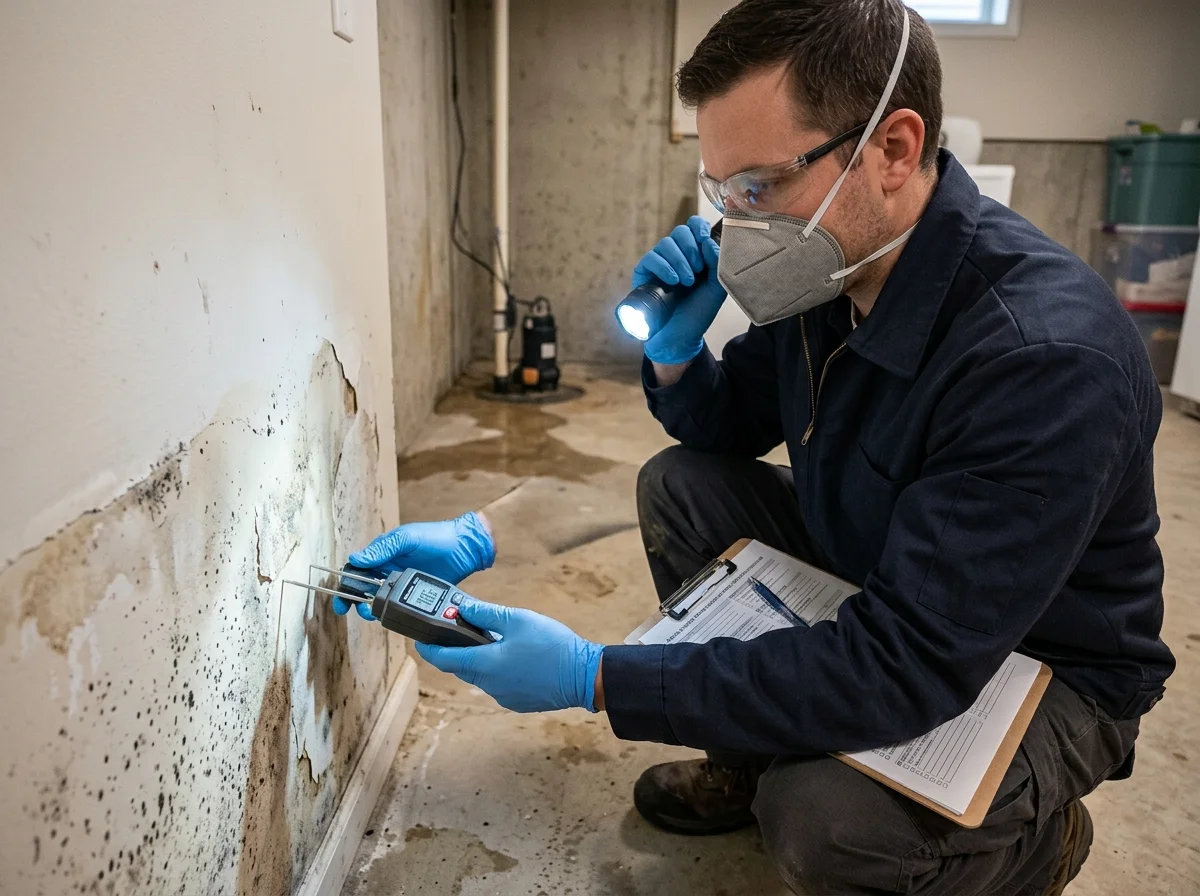
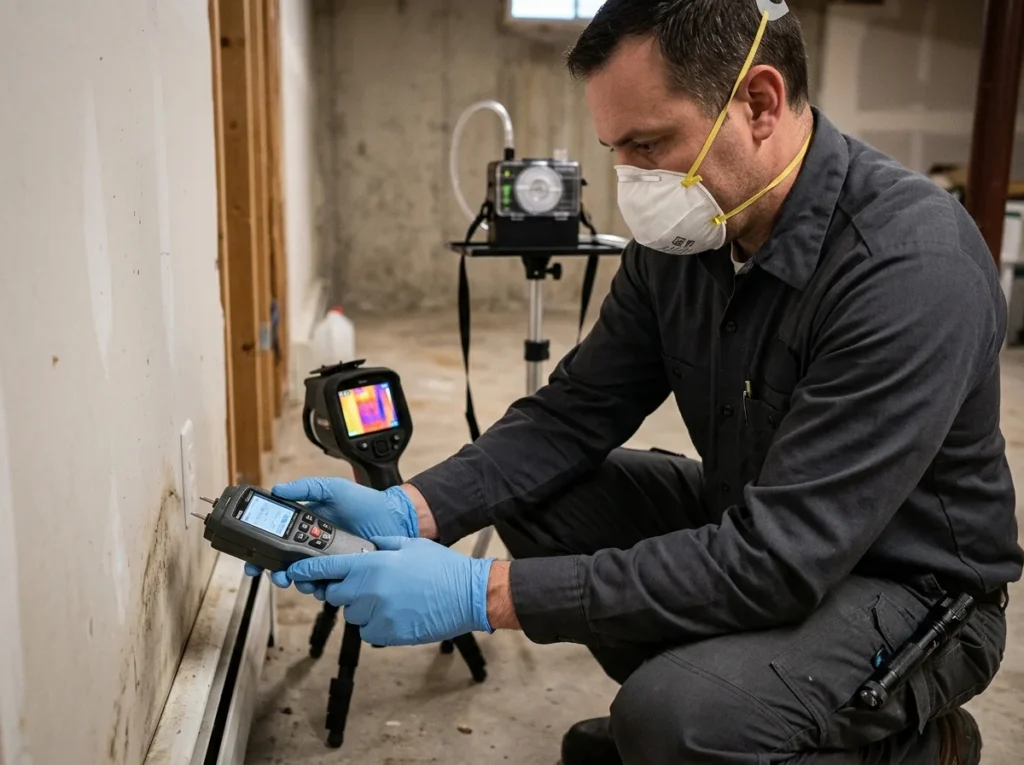
A professional mold inspection uses moisture meters to check actual moisture content inside building materials without opening them up. It involves air sampling in different areas of the home to measure mold spore counts and identify whether elevated mold levels are present even without visible growth. It goes into attics, crawl spaces, and utility areas with the specific intent of finding what is not visible from the main living spaces.
For Port St. Lucie buyers, ordering both a standard home inspection and a separate professional mold inspection before closing is not redundant. They answer different questions. The standard inspection tells you about the condition of systems and structure. The mold inspection tells you about the biological condition of the building materials and air quality inside the home you are about to own.
FAQ: Mold Inspections for Port St. Lucie Home Buyers
Should I get a mold inspection before buying a home in Port St. Lucie?
Yes, and it is worth doing as a separate inspection from your standard home inspection. Port St. Lucie’s climate, storm history, and mix of housing ages make mold a realistic finding in a meaningful percentage of homes. Knowing before closing gives you options. Finding out after closing leaves the problem entirely with you.
What are the most common places mold is found during Port St. Lucie home inspections?
Attics, HVAC systems and areas around air handlers, bathrooms, under-sink cabinet areas, crawl spaces in older homes, and low wall areas in homes with any history of flooding or storm water intrusion are the most consistent findings in professional mold inspections across Port St. Lucie.
Can a standard home inspection miss mold?
Frequently, yes. Standard home inspections assess visible, accessible conditions. Mold inside wall cavities, attic sheathing, crawl space framing, and ductwork often does not produce visible surface signs until growth is already significant. A professional mold inspection uses moisture meters and air sampling to find what visual inspection alone cannot.
What happens if mold is found during a home inspection in Port St. Lucie?
You have options. You can negotiate with the seller to remediate before closing, request a price reduction to cover remediation costs, or walk away if the scope of the problem is beyond what makes the purchase worthwhile. None of those options are available to you after closing.
How much does a mold inspection cost compared to remediation?
A professional mold inspection is a fraction of what remediation costs. Catching mold before purchase and negotiating accordingly almost always saves buyers significantly more than the inspection cost. Finding it after closing means bearing the full remediation expense yourself.
What Buyers in Port St. Lucie Should Take Away From This
The city is growing because it is genuinely a good place to live. That does not change the reality of what the climate does to homes here over time, or what storm seasons have done to some of the housing stock over the years.
Mold problems in Port St. Lucie FL home inspections are not rare edge cases. They are consistent findings across attics, HVAC systems, bathrooms, and anywhere water has entered a home and not been completely resolved. A buyer who skips a professional mold inspection to save a few hundred dollars at the front end of a purchase is taking a risk that can cost tens of thousands on the back end.
Get the inspection done before closing. Know what you are buying. Port St. Lucie is worth it as a place to put down roots. Just make sure the home you are putting those roots into does not have a mold problem you did not know about until it was already yours. If you are preparing to buy a home and want to have it professionally assessed, contact our team to schedule an inspection.