Mold problems in a commercial building do not always start with a large black patch on a wall. The first clue may be a musty smell, a ceiling stain, or moisture that keeps returning near an AC unit. Learning the signs your building has mold can help you act before a small moisture issue spreads into walls, ceilings, flooring, or stored materials.
For Fort Pierce business owners, quick action matters because moisture can enter through roof leaks, plumbing problems, condensation, and storm-related water damage. Mold Detectives provides commercial mold inspection, mold testing, and indoor air quality services for businesses throughout Florida.
1. A Musty Odor Keeps Coming Back
A persistent odor is one of the easiest warning signs to notice, especially when no visible growth appears nearby.
The Smell May Point to Hidden Moisture
A musty smell that returns after cleaning deserves attention. It may be strongest inside a stockroom, private office, restroom, utility space, or near an HVAC vent. Florida health guidance notes that indoor mold can often be detected by sight or smell.
One of the common hidden mold signs in commercial property is an odor with no clear surface source. Mold may be growing behind drywall, above ceiling tiles, below flooring, or inside another damp area that workers cannot easily see.
Pay Attention to When the Odor Appears
Timing can provide useful clues. A smell that becomes stronger after heavy rain may point toward roof or exterior water entry. An odor that appears when the air conditioner starts may justify checking nearby equipment and moisture-prone areas.
A musty smell in office areas should not be covered with air freshener and forgotten. Write down where the odor appears and when it becomes noticeable. That information can help a professional inspector narrow the search area.
2. Water Damage, Stains, or Damp Materials Keep Appearing
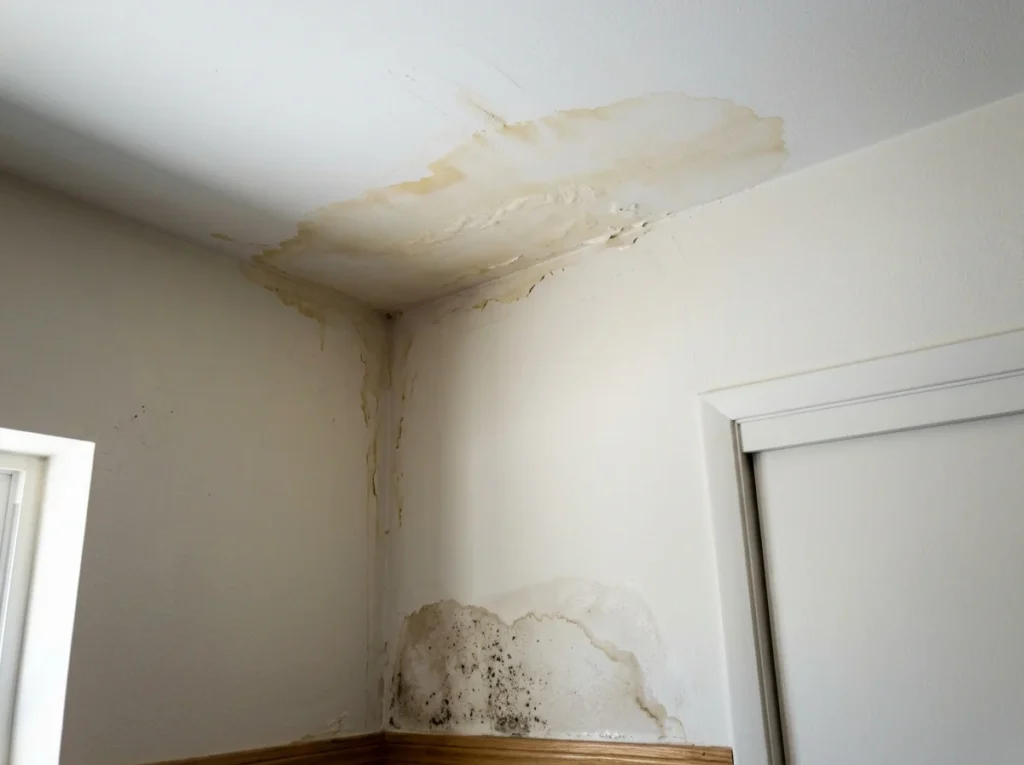
Water and mold problems are closely connected. Even when materials look dry later, past water intrusion can leave moisture in hidden spaces.
Ceiling Stains Are More Than a Cosmetic Problem
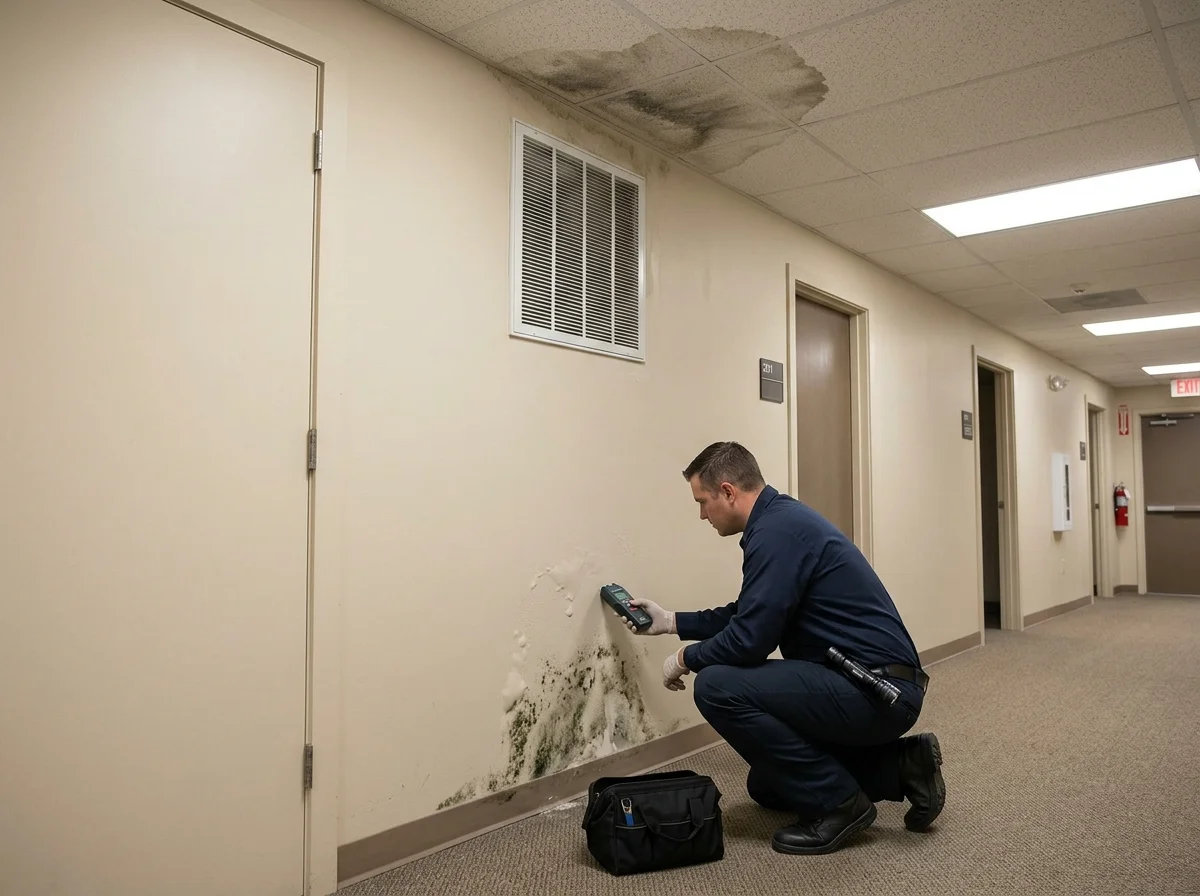
Brown or yellow ceiling stains often point to past or active water entry. Replacing a stained tile may improve the appearance, but it does not fix a leaking roof, plumbing line, or condensation problem above it.
The Florida Department of Health says controlling moisture is the key to stopping indoor mold growth. Water leaks, flooding, condensation, and high humidity can all create conditions that support growth.
Common commercial property moisture issues include:
- Ceiling stains that grow after rain
- Damp drywall near plumbing
- Swollen baseboards or flooring
- Repeated leaks around windows
- Condensation near air vents
- Wet areas below AC equipment
- Moisture inside cabinets or storage rooms
These conditions are important commercial mold problem signs, even when no mold is visible yet.
Past Water Damage Still Matters
A leak does not stop being relevant once the surface dries. Water may have entered insulation, wall cavities, flooring layers, or other porous materials before the repair was completed.
The EPA advises that moisture problems should be investigated when evaluating mold because hidden growth may exist around areas where visible mold or water damage is found.
If your building has a history of leaks and new odors or stains are appearing, that is one of the clearer signs you need commercial mold testing or a professional moisture inspection.
3. You See Unexplained Spots, Staining, or Surface Changes
Visible growth is an obvious warning, but mold does not always look the way people expect. Changes in building materials can also deserve closer inspection.
Mold Can Appear in Different Forms
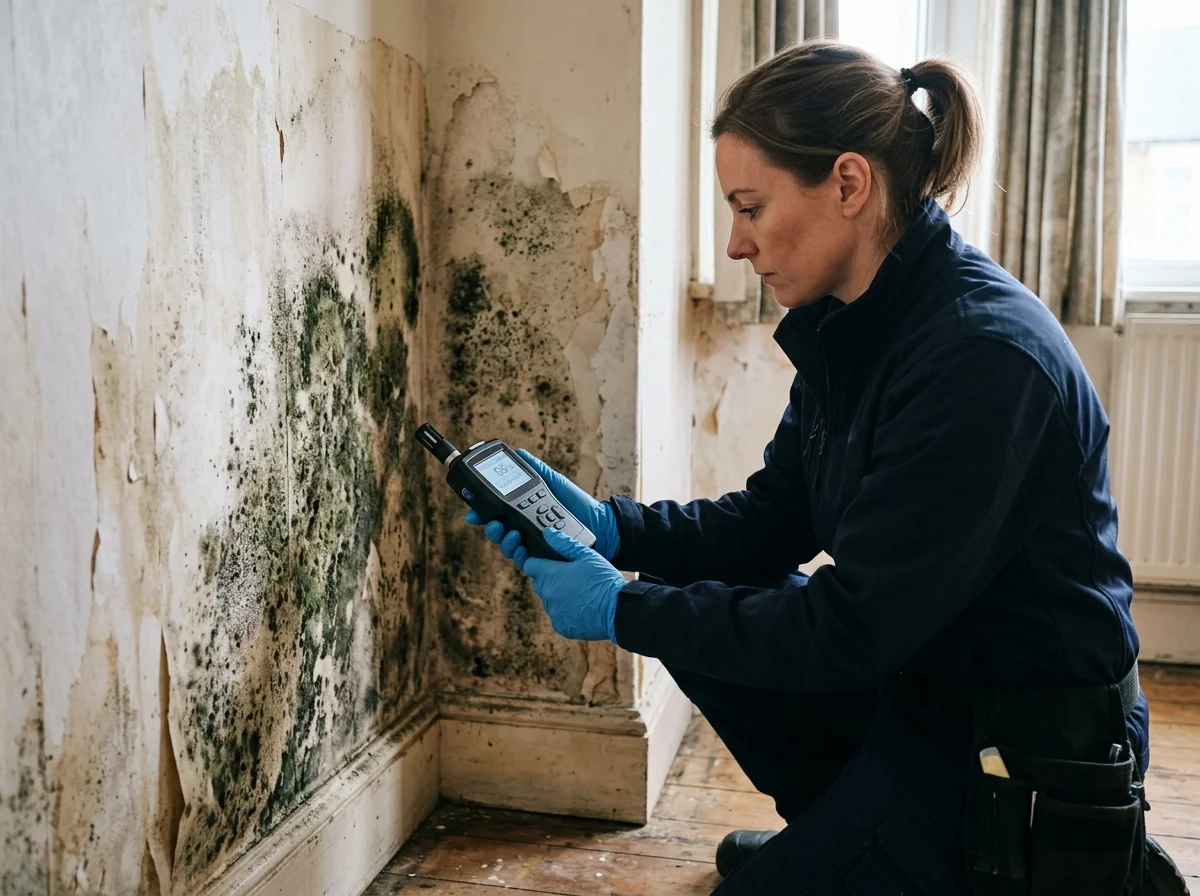
Visible mold may appear as spots, staining, fuzzy material, or patches with different colors and textures. Florida health guidance notes that mold can appear white, gray, brown, black, yellow, or green.
Some common signs of mold in commercial buildings include:
- Dark spots on drywall
- Fuzzy material near ceiling tiles
- Discoloration around vents
- Recurring stains behind furniture
- Changes around window frames
- Growth below sinks
- Surface changes near old leaks
Do not assume every dark mark is mold. A professional mold inspection can review the material, nearby moisture, and building history before deciding whether surface sampling is useful.
Do Not Paint Over the Problem First
Painting over a suspicious area can hide useful clues while leaving the moisture source untouched. If water continues to enter the material, the stain or growth may return.
When visible mold is already present, the EPA says sampling is often unnecessary. The more important task is identifying the size of the affected area and finding the moisture problem that allowed growth to occur.
A professional commercial building mold inspection can help define those conditions before repairs begin.
4. Odors or Moisture Problems Appear Around the HVAC System
Commercial HVAC systems deserve attention because they operate for long periods in Florida and contain several areas where moisture problems can develop.
Look Around Air Handlers and Drain Areas
Condensation is normal in air-conditioning systems, but drainage problems are not. A clogged drain, overflowing pan, or wet area around mechanical equipment can expose nearby materials to ongoing moisture.
Florida health guidance specifically recommends checking for water leaks, condensation, water stains, and moisture around air-handling equipment when investigating indoor mold concerns.
Possible mold in HVAC systems warning signs include:
- Musty odors when the system starts
- Water around an air handler
- Repeated drain-line problems
- Damp ceiling tiles near vents
- Staining around registers
- Condensation on nearby materials
- Odors limited to one HVAC zone
These office building mold signs should lead to an inspection of both the affected room and the moisture source.
Air Testing Needs Context
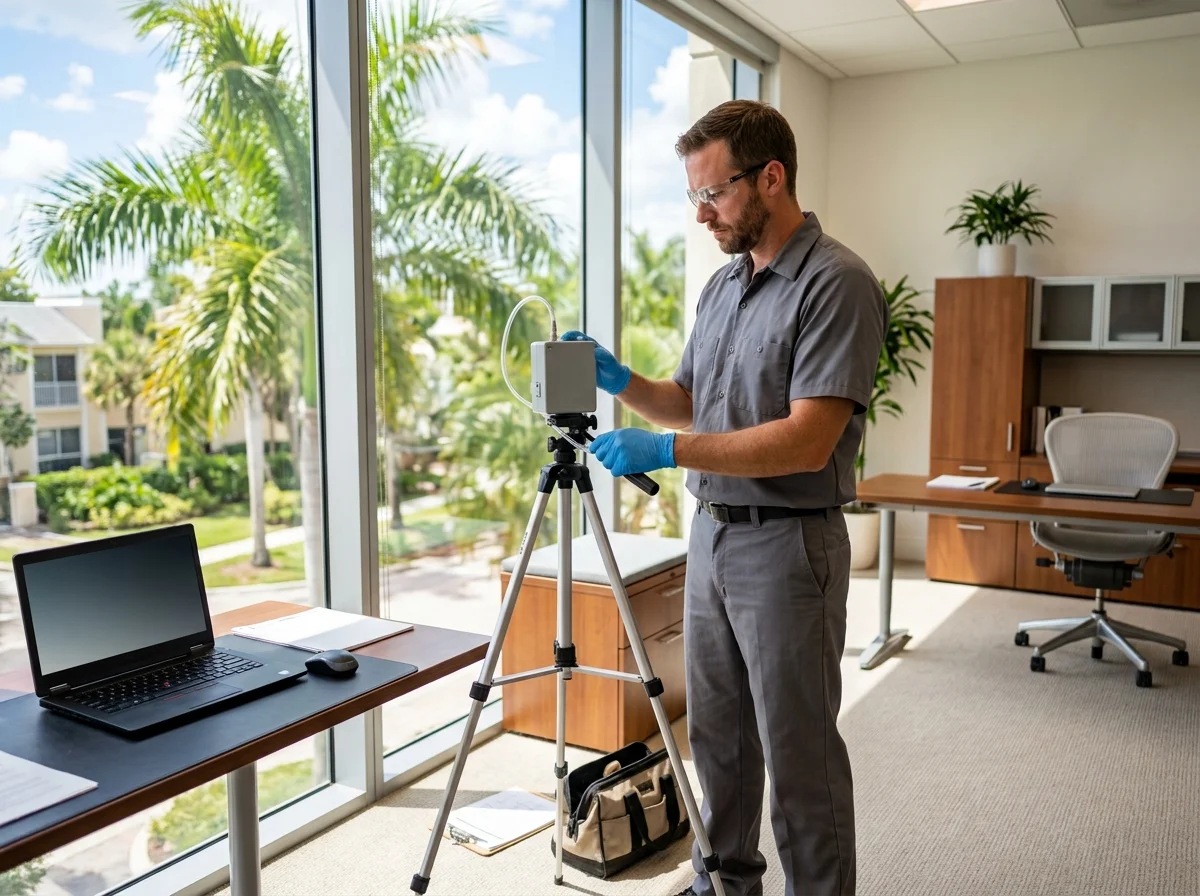
Air sampling can provide information about airborne mold particles in selected locations. However, a sample result should not be treated as a stand-alone pass-or-fail score.
The EPA states that no federal limits have been established for mold or mold spores. Sampling should be performed by professionals experienced in designing sampling plans and interpreting the results.
That is why professional mold testing should combine air sampling, when useful, with building observations and moisture findings.
5. Employees or Occupants Keep Reporting the Same Problem
Repeated reports from the same part of a building can help identify a pattern. The key is to document what people notice instead of guessing at the cause.
Track Where the Complaints Occur
One person may report a musty odor in a conference room. Several people may notice the same smell across an entire office wing. Those two situations call for different inspection plans.
Useful details include:
- Which rooms are involved
- When the issue started
- Whether odors come and go
- Whether recent leaks occurred
- Whether the problem changes after rain
- Whether it appears when HVAC systems run
Tracking these details makes workplace mold warning signs easier to investigate. It can also help the inspector avoid spending time in areas that have no connection to the complaint.
Avoid Diagnosing Health Symptoms From the Building Alone
Mold exposure can affect people differently. The CDC states that mold exposure can cause symptoms such as stuffy nose, sore throat, coughing, wheezing, eye irritation, or skin rash in some people. People with asthma or mold allergies may have stronger reactions.
Still, those symptoms can have many causes. Commercial property mold symptoms reported by occupants should support a building investigation, not replace medical advice. Anyone with health concerns should speak with a qualified healthcare professional.
Where Hidden Mold Can Develop in a Commercial Property
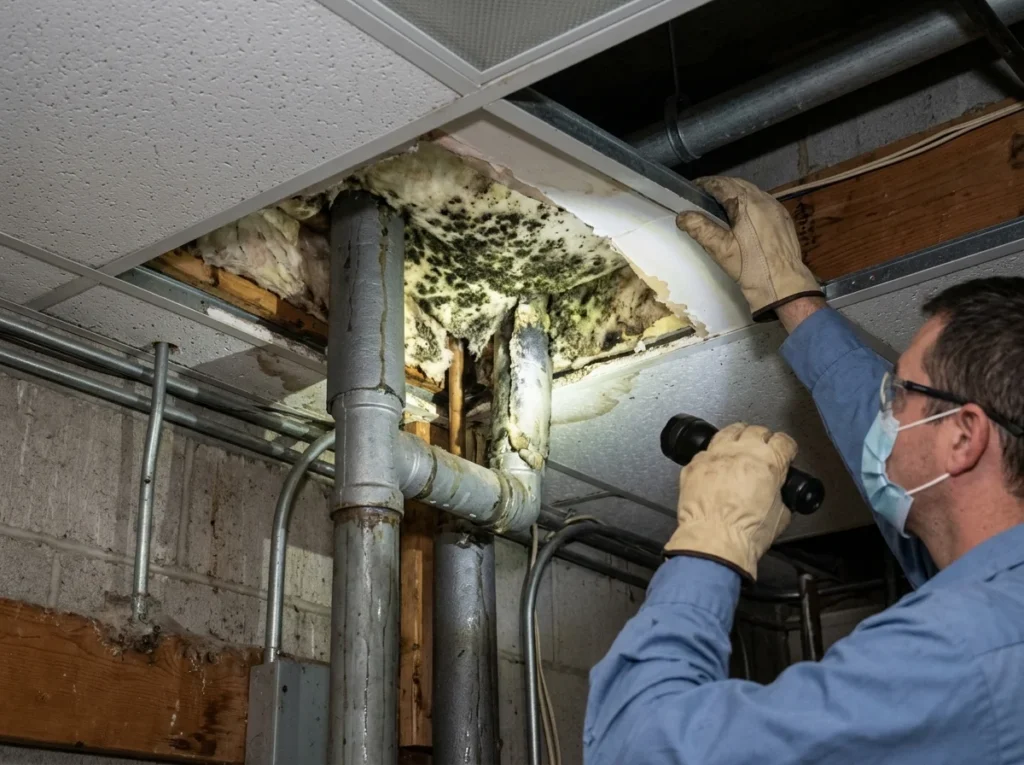
Some mold problems become visible quickly. Others remain inside areas that employees and customers rarely see, which makes building history especially useful.
Common Hidden Areas
A past roof leak or plumbing problem can affect materials far from the original water source. Mold Detectives notes that hidden growth may occur in walls, ceilings, cabinets, attics, crawl spaces, and other moisture-prone areas.
Places worth checking during hidden mold detection may include:
- Above suspended ceilings
- Behind drywall near plumbing
- Under flooring after water damage
- Behind cabinets and shelving
- Around air-conditioning equipment
- Inside rarely used storage areas
- Near windows with repeated leaks
Finding hidden mold in office building spaces often starts with moisture detection rather than opening every wall. Inspectors can use the building history and moisture readings to decide which areas need closer evaluation.
What Happens During Professional Commercial Mold Testing?
Knowing what to expect can make the inspection easier to plan. A good assessment starts with the building and uses sampling only when it adds useful information.
Visual and Moisture Inspection
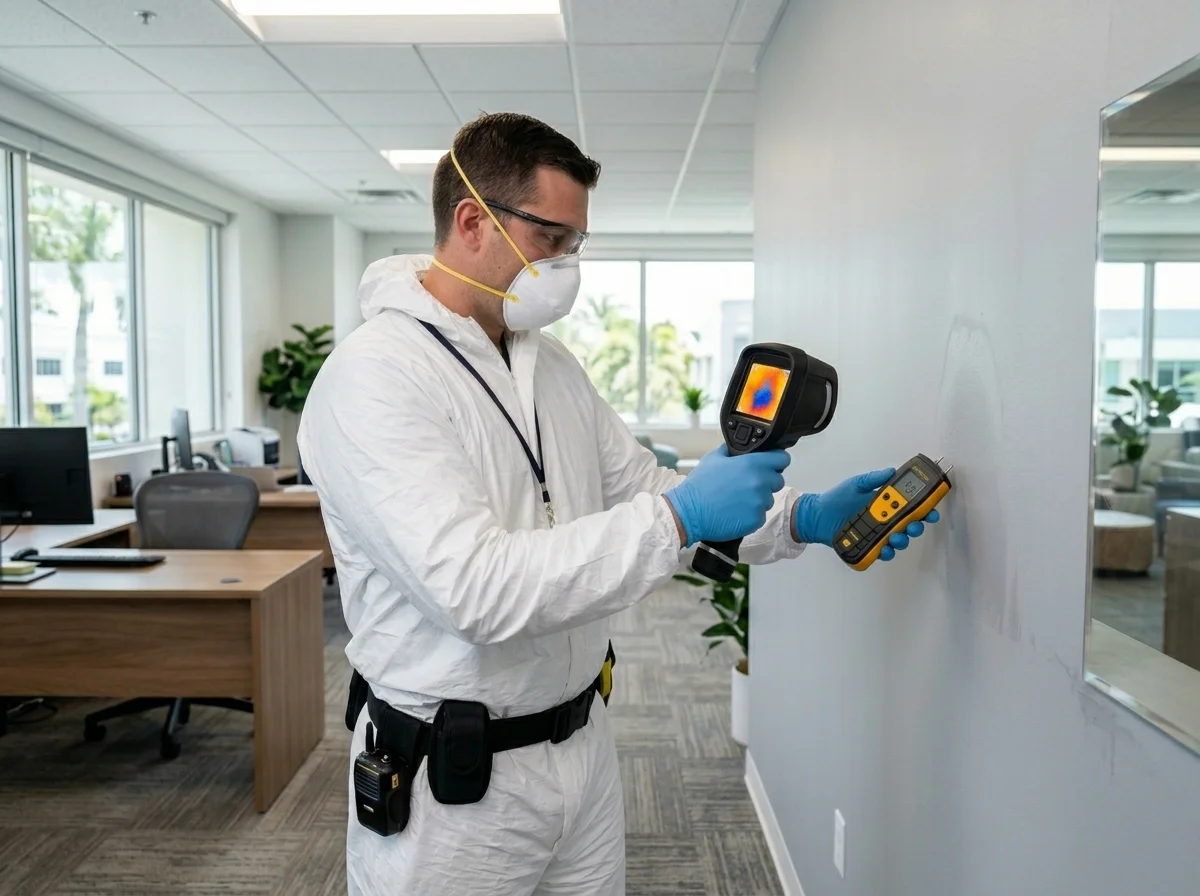
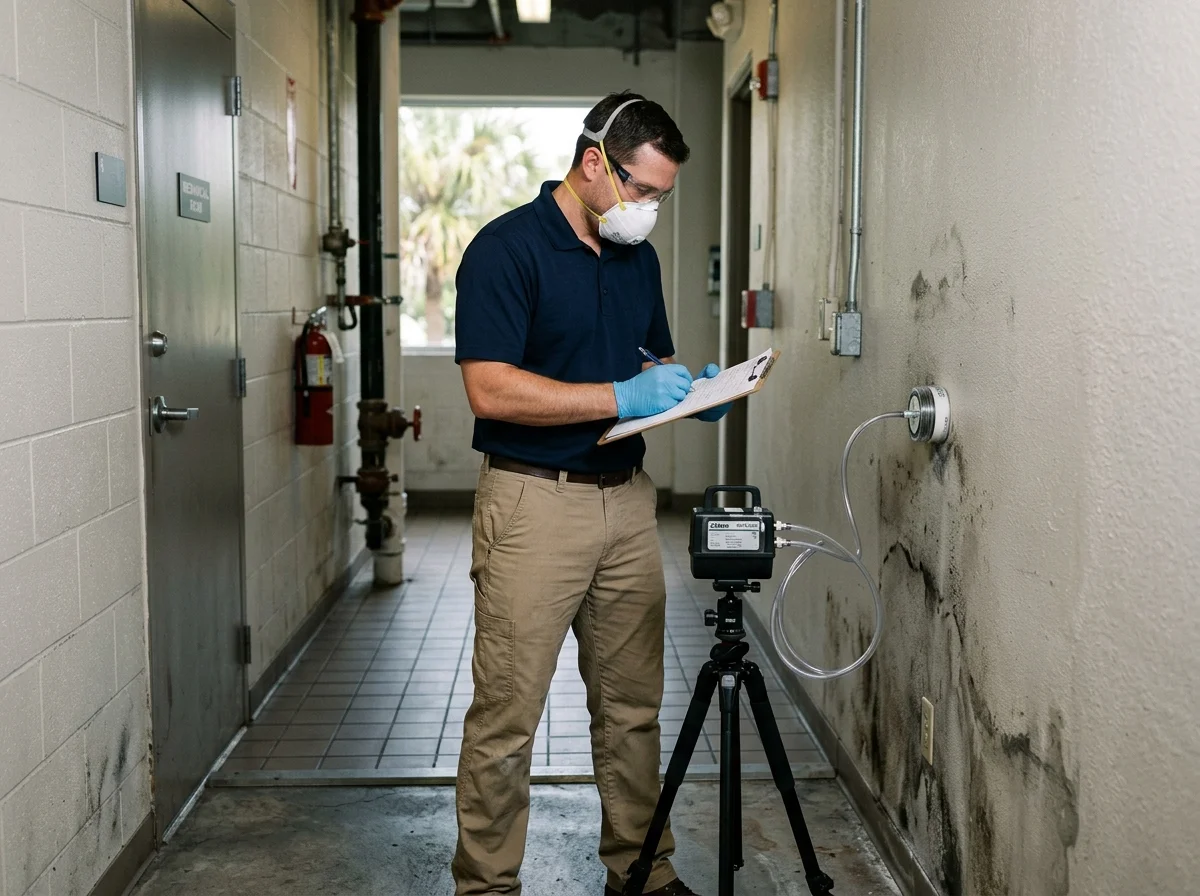
The inspector reviews the problem area, visible staining, water damage, odors, and past leak locations. Moisture detection equipment can help identify damp materials that may not feel wet from the surface.
Mold Detectives says its inspections use professional moisture detection equipment and thermal imaging to help identify hidden mold growth and moisture problems.
Air and Surface Sampling
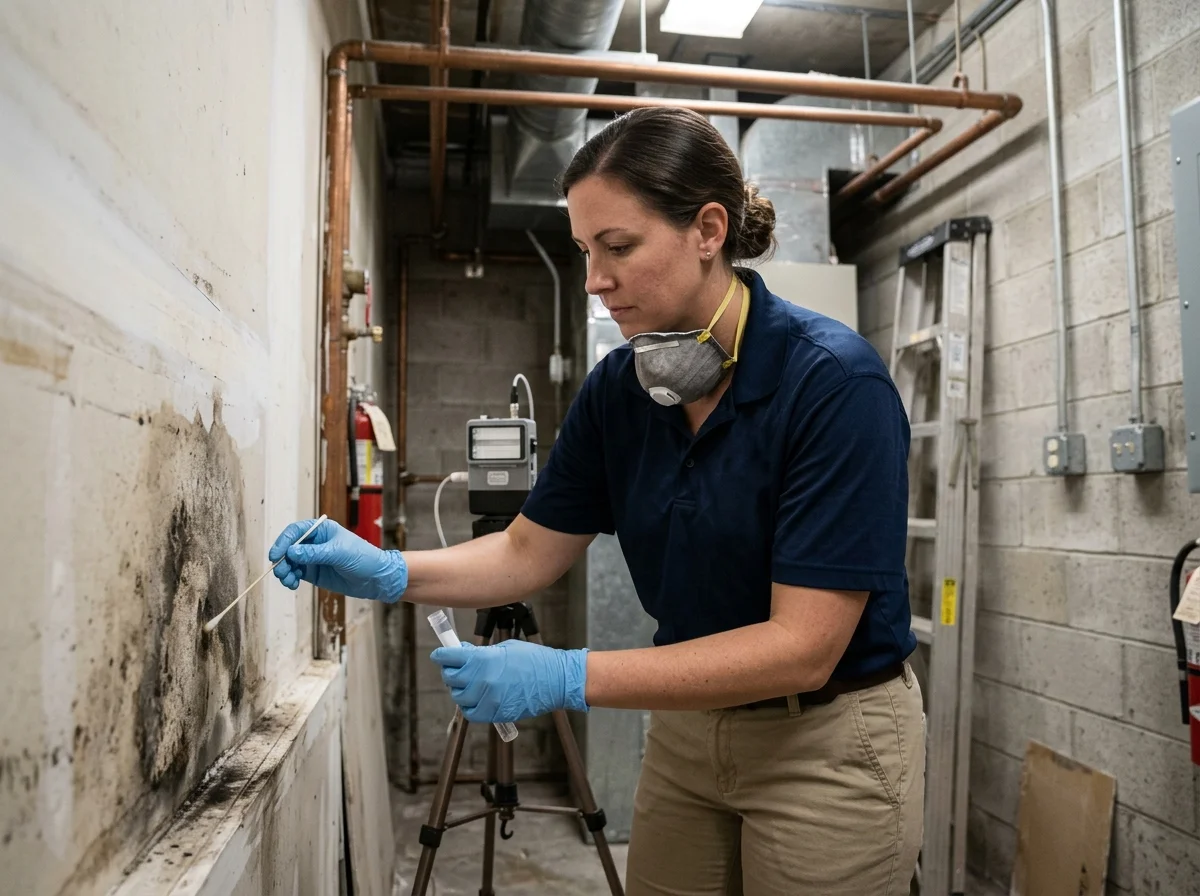
Air sampling may be used to evaluate selected areas when airborne mold is part of the concern. Surface sampling can help evaluate material from a specific location or assist with certain post-remediation checks.
A commercial mold assessment should not involve collecting samples from every room without a reason. Each sample should help answer a specific question raised by the inspection.
Laboratory Results and Reporting
When samples are collected, professional laboratory testing can provide information about what was present in those samples. The inspector then reviews those results with the moisture and visual findings.
Mold Detectives provides mold inspections, testing, indoor air quality services, and detailed professional reporting for homes and businesses.
What Should You Do After Spotting a Warning Sign?
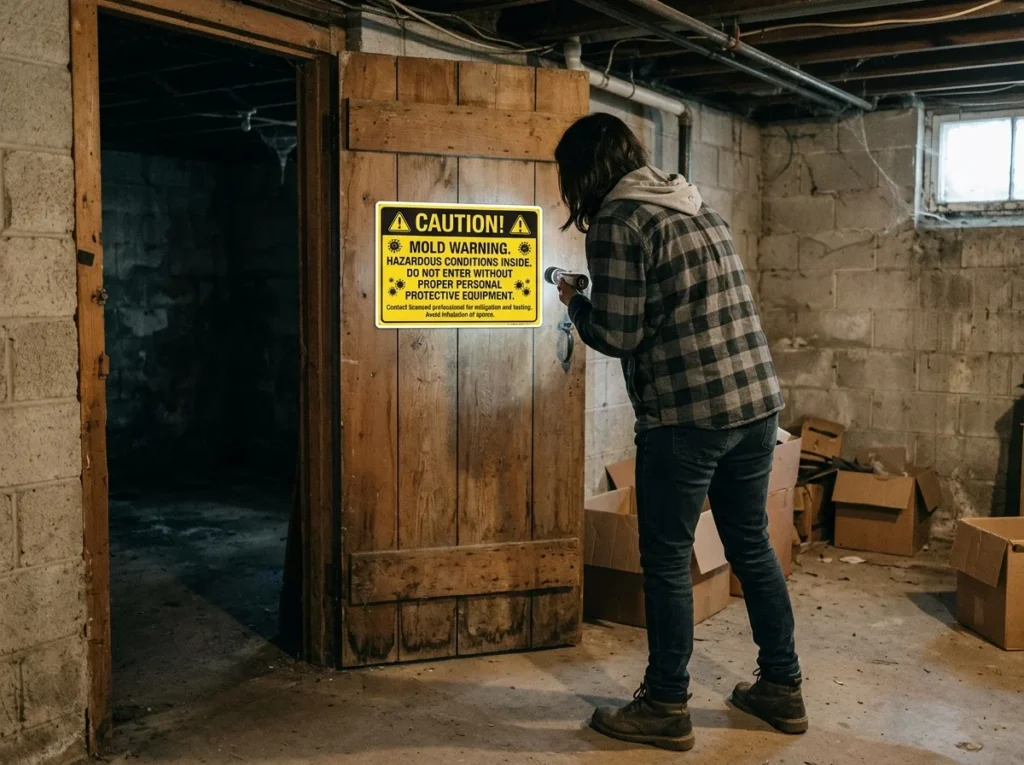
Seeing one warning sign does not mean the entire building has a major mold problem. It does mean the moisture source deserves attention.
Start with these steps:
- Document odors, stains, and visible changes
- Note recent roof or plumbing leaks
- Stop active water intrusion when possible
- Avoid painting over suspect areas
- Provide access to mechanical rooms
- Gather past repair records
- Schedule an inspection when the source remains unclear
The EPA stresses that eliminating the moisture source is the most important step for controlling mold in a building. Even good cleanup can fail if the water problem remains.
Knowing when to test for mold also prevents unnecessary sampling. Testing can be useful when growth is hidden, the source is unclear, several areas are involved, or documentation is needed.
Frequently Asked Questions About Commercial Mold Warning Signs
These common questions can help Fort Pierce business owners decide when a building concern needs a professional inspection.
How soon should I schedule testing after noticing mold warning signs?
Schedule an inspection promptly when odors, water damage, visible growth, or repeated moisture problems appear. Early inspection can locate the source before damage spreads further.
Can mold be present when nothing is visible?
Yes. Mold can grow behind walls, above ceilings, under flooring, or near HVAC equipment. Moisture readings and targeted sampling can help investigate hidden areas without opening every surface.
Does visible mold always mean testing is required?
No. The EPA says sampling is often unnecessary when visible mold is already present. Testing can still help when the source, extent, or documentation needs remain unclear.
What happens during a commercial mold inspection?
A professional inspection reviews visible conditions, moisture sources, building history, and problem areas. When useful, the inspector may collect air or surface samples for laboratory analysis.
Schedule a Commercial Mold Inspection With Mold Detectives
If you notice musty odors, recurring water damage, suspicious staining, HVAC moisture, or other signs your building has mold, Mold Detectives can help you find the source and understand the next step. The Fort Pierce team provides professional mold inspections, moisture detection, mold testing, indoor air quality services, and laboratory-supported reporting for commercial properties throughout Florida. Call (772) 242-4024 to schedule an inspection before a small moisture problem becomes a larger property issue.