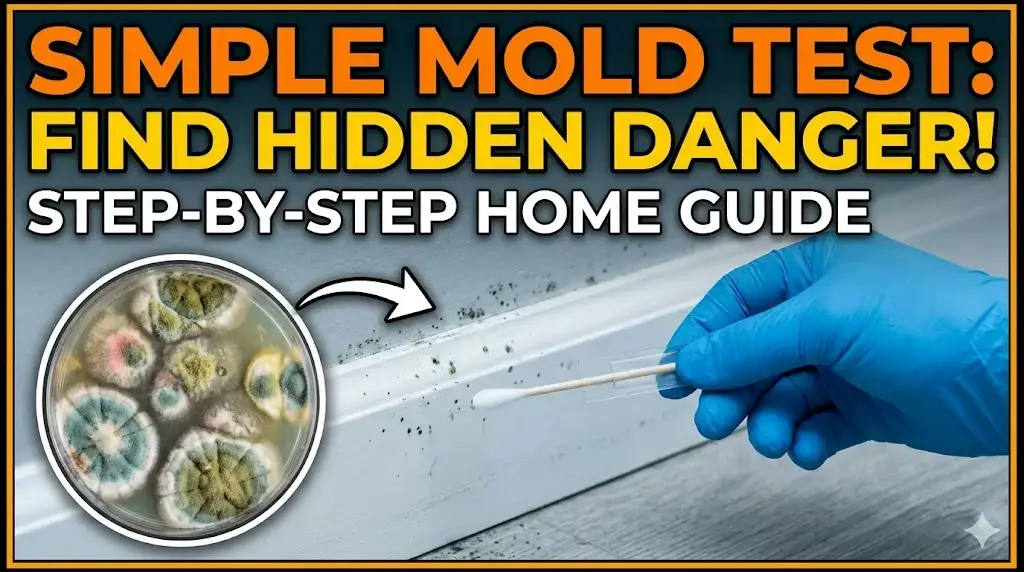
Indoor air quality plays a big role in your health and comfort, but a hidden danger can easily ruin it. Homeowners often notice small changes in their house first. You might smell a musty odor in the guest bedroom, wake up with sudden allergy symptoms, or see a dark stain on the bathroom ceiling. Because these signs are easy to ignore, moisture problems can quietly grow behind your walls and under your floors.
Learning how to test for mold in your house is the best way to find these hidden problems. Testing helps you protect your property and get your peace of mind back before the damage gets worse or makes you sick.
When you suspect an environmental issue in your living space, finding the right starting point can feel overwhelming. You might search for quick answers and wonder how to test mold in your house without spending too much money or ruining your daily routine. Leaks and high humidity usually cause these issues,
But you need a careful plan to find out exactly what is growing. Finding spores is not just about wiping away a visible stain. You need to check the hidden parts of your home, including your air vents and damp crawl spaces.
Why Your Indoor Environment Matters
If you ignore the early signs of mold, you can face major property damage and health issues later. Mold grows fast in dark, damp, and poorly ventilated areas. This makes houses very vulnerable when you do not check your moisture levels. When mold colonies grow, they release tiny spores into the air. Your HVAC system then pumps these spores through the whole house. This constant airflow lowers your indoor air quality testing scores and creates an environment that can cause coughing, sneezing, or breathing issues.
A constant moisture problem also destroys your building materials. Mold loves to eat organic materials like wood, drywall, and carpets. By the time you see a stain on your wall, the structure behind it may already have deep water damage.
When you perform a thorough moisture assessment, you find the exact source of the water. This ensures you fix the actual leak instead of just cleaning up the ugly stain on top.
How to Test Surfaces for Mold
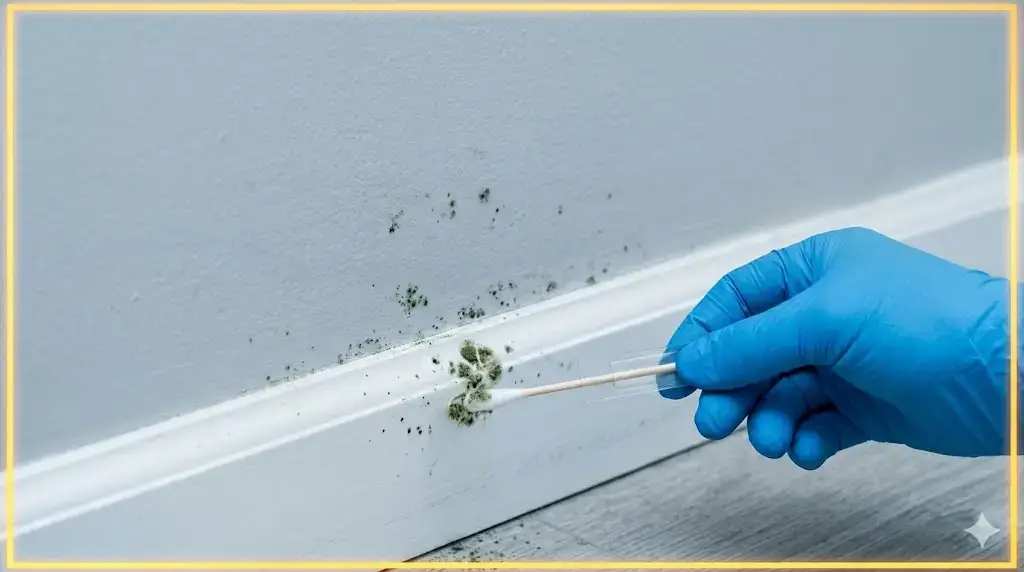
The first thing many homeowners do is check the physical surfaces in their rooms. Surface testing is a great tool when you can see a dark spot or a powdery substance, but you do not know what it is. This method requires you to touch the area directly to collect a sample. Professionals use special field techniques, like a surface swab testing kit or sticky tape, to gather the material safely.
This prevents the spores from flying into the air and spreading to other rooms. After you collect the sample, a laboratory checks the material to identify the exact type of mold. This step is important because different molds grow in different conditions and need different cleanup methods.
Knowing exactly what is growing on your walls takes away the guesswork. It tells you if you are dealing with common household mildew or a dangerous type that needs professional help.
Testing the Air for Mold Spores
Because mold spores are microscopic and lightweight, they float through the air easily. This means you cannot find every problem just by looking around. Air sampling analysis is a powerful tool because it catches what your eyes miss.
A machine pulls a specific amount of indoor air through a small collection of plastic cassettes. This cassette traps the floating particles so you can see exactly what you are breathing in.
To make sure the results are accurate, technicians compare the indoor air to the outdoor air. This is called a spore count analysis. Under normal conditions, the mold levels inside your house should look like or be much lower than the outdoors.
If the lab report shows a very high count of spores inside, you have an active, hidden mold problem somewhere in the house, even if you cannot see it yet.
A Simple Step Guide on How to Test for Mold
If you want to check the health of your home, a step-by-step plan ensures you do not miss anything. Knowing how to test for mold requires sharp eyes and a clear routine.
Step 1: Look and Smell for Signs
Walk through your home and look closely at damp areas like kitchens, bathrooms, basements, and closets. Use a bright flashlight to check dark corners, baseboards, and plumbing pipes. Use your nose, too. A strong, earthy, or musty smell is often the best proof that moisture is hiding behind a wall or under the carpet.
Step 2: Check Your Vents and HVAC System
Your heating and cooling system moves air through every room. Conduct an HVAC system inspection by looking at your air vents, grills, and the area around the cooling coils. If water collects inside these parts, the system will blow mold spores across your entire house, turning a small problem into a huge indoor air quality issue.
Step 3: Collect Your Samples
Once you find a suspicious spot or smell, you are ready for mold sampling. Depending on what you find, you will use air collection machines in the middle of the room or swabs directly on the stains. Turn off your fans and close all windows and doors for 24 hours before you test. This lets the air settle so you get an accurate reading.
Step 4: Read Your Laboratory Report
After the lab checks your samples, they will send you an official mold report. This document lists the exact types of mold they found and the number of spores. A professional mold analysis explains what these numbers mean and tells you clearly if your indoor air is safe or dangerous.
When to Call a Professional
While DIY test kits can give you a basic idea, many situations require a professional mold inspection. You should call an expert if you have major water damage from a broken pipe, if the house has been closed up for a long time,
Or if your family is suffering from unexplained allergies. Certified inspectors use thermal imaging cameras and advanced moisture meters to find hidden leaks inside walls without tearing up your home.
An expert gives you a complete home environmental testing plan. They tell you where the mold is and exactly how the water got in. This saves you money because it stops you from buying temporary fixes while the real problem gets worse.
Fixing the Problem for Good
Finding a high spore count is your cue to fix your home. The information from your lab test helps you build a strong professional mold remediation evaluation. This plan changes your lab numbers into a real cleanup strategy. Workers will seal off the dirty rooms, use heavy-duty air scrubbers to clean the air, and throw away ruined materials safely.
However, you can only stop mold permanently if you fix your leaks and use good humidity control. Mold cannot grow without water. Fix your plumbing, improve your attic airflow, and keep your indoor humidity below 50% to ensure your home stays fresh, clean, and safe for your family.
If you want to be 100% sure about your air, getting expert help is the best choice. Mold Detective offers complete residential inspections and accurate environmental testing to protect your family. If you smell something musty or worry about hidden water leaks, contact Mold Detective today to book your inspection and protect your home.
FAQS
How can I tell the difference between ordinary dirt and mold?
Mold feels alive—it looks fuzzy, slimy, or powdery, and it grows bigger over time if it has water. Dirt does not grow, and it does not cause that trapped, musty smell that stays around even after you scrub the surface.
How do you test for mold if it is hidden completely inside a wall?
Inspectors use thermal cameras to find cold moisture spots and moisture meters to check wall dampness. They can also drill a tiny hole and use a small tube to pull air out from inside the wall without destroying your drywall.
Is a high indoor spore count always dangerous for my family?
It depends on the type of mold and your family’s health. While low levels of everyday outdoor mold are fine, high counts or toxic types can damage your house and cause coughing, sneezing, or skin rashes.
How long does it take to get official laboratory results back?
Once the technician collects the samples and sends them to the lab, it takes about 2 to 5 business days to get the results. This gives the scientists enough time to study the samples under a microscope and write an accurate report.