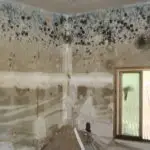
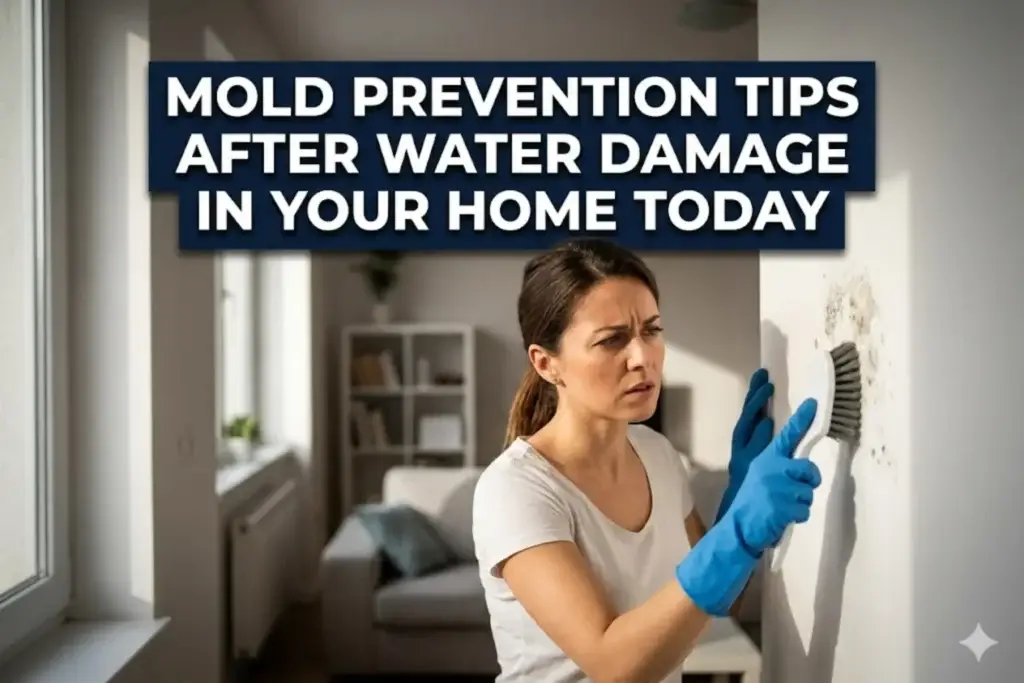
Water damage can happen fast and create serious problems inside your home. A broken pipe, roof leak, flood, or overflowing sink can leave water behind in walls, floors, and ceilings. If you do not dry the area quickly, mold can start growing and spread through your home.
Many homeowners ask, how quickly does mold grow after water damage? In most cases, mold can start growing within 24 to 48 hours. That is why you need to act quickly after any water problem. Fast cleanup and proper Mold prevention can help you protect your home, your air quality, and your family’s health.
Why Water Damage Causes Mold Growth
Mold grows in wet and humid places. After water damage, moisture stays trapped in many hidden areas of the home. Mold spores in the air land on wet surfaces and begin to grow.
Common causes of Water damage mold include:
- Burst pipes
- Roof leaks
- Flooding after storms
- Overflowing bathtubs or sinks
- Broken washing machines or dishwashers
- Poor bathroom ventilation
- Leaking air conditioners
Even a small leak can lead to mold if you ignore it for too long.
How Quickly Does Mold Grow After Water Damage?
Many people do not realize how fast mold spreads. In warm and humid conditions, mold can begin growing in just one or two days after water damage.
Several things affect mold growth speed.
Humidity Levels
High humidity helps mold grow faster. Homes in humid climates face a higher risk after flooding or leaks.
Wet Materials
Drywall, carpet, wood, and insulation absorb water quickly. These materials create the perfect place for mold growth.
Poor Airflow
Rooms with little ventilation stay wet longer. Mold grows faster in dark and damp areas.
Warm Temperatures
Mold grows faster in warm indoor spaces than in cooler rooms.
The faster you dry the area, the lower your risk of mold problems.
What to Do Right After Water Damage
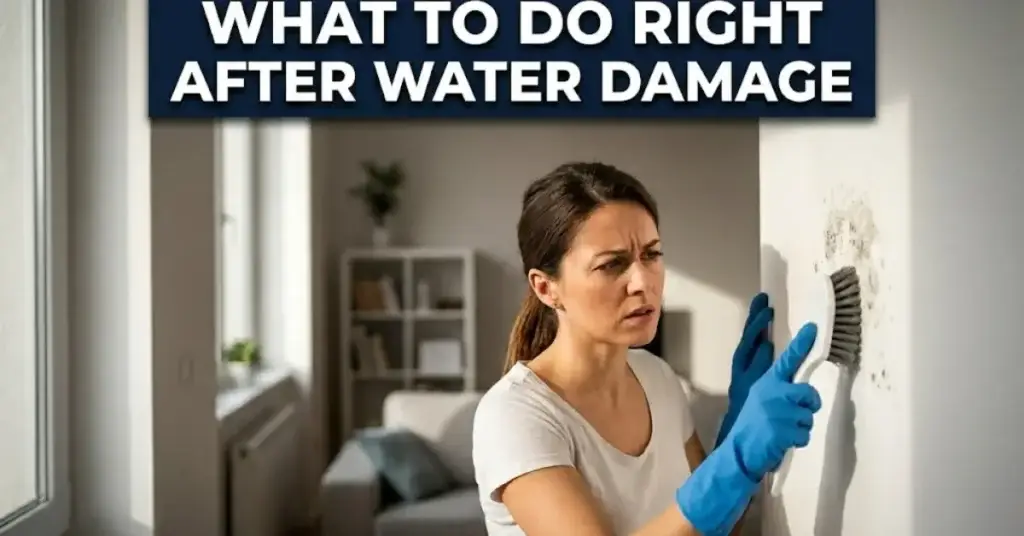
Quick action helps stop mold before it spreads. The first 24 to 48 hours matter the most.
Stop the Water Source
Find the cause of the leak or flooding and stop it immediately. Turn off the water supply if needed.
Remove Standing Water
Use towels, pumps, or wet vacuums to remove water as quickly as possible.
Dry the Area
Open windows and use fans and dehumidifiers to improve airflow and remove moisture.
Remove Wet Materials
Some materials cannot dry fully after heavy water damage. Remove and replace items such as:
- Wet carpet
- Soaked drywall
- Ceiling tiles
- Wet insulation
- Damaged furniture
Removing wet materials lowers the chance of hidden mold growth.
Clean and Sanitize
Clean affected areas with safe disinfectants to remove dirt, bacteria, and moisture.
Hidden Places Where Mold Grows
Mold often grows in places homeowners cannot easily see. Hidden moisture can stay trapped for weeks.
Behind Walls
Water can soak into drywall and stay inside wall spaces.
Under Floors
Water can collect under tile, wood, or laminate flooring.
Inside Cabinets
Kitchen and bathroom cabinets near sinks often trap moisture.
Attics and Crawl Spaces
Roof leaks can leave hidden moisture in these dark spaces.
HVAC Systems
HVAC mold can grow inside air ducts, vents, and air conditioning systems. Once mold enters the HVAC system, it can spread spores throughout the home.
Professional inspections can help find hidden moisture before mold becomes a bigger problem.
Best Mold Prevention Tips for Homeowners
You can lower your risk of mold growth by controlling moisture inside your home.
Keep Humidity Low
Use dehumidifiers and keep indoor humidity below 50%.
Improve Ventilation
Use exhaust fans in bathrooms, kitchens, and laundry rooms to reduce moisture.
Fix Leaks Quickly
Repair plumbing leaks, roof leaks, and dripping faucets right away.
Clean Gutters
Clean gutters and downspouts so rainwater flows away from your home.
Maintain HVAC Systems
Regular HVAC maintenance helps prevent HVAC mold and improves indoor air quality.
Use Mold-Resistant Materials
During repairs or remodeling, use mold-resistant drywall and paint in damp areas.
Understanding Black Mold
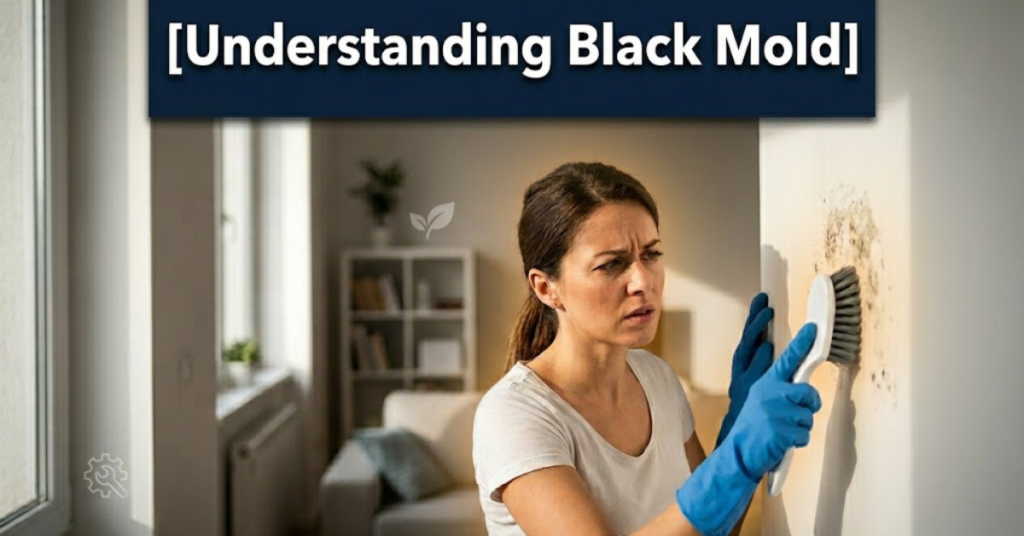
Many homeowners worry when they hear about Black mold. Some types of black-colored mold can affect indoor air quality and health.
Mold exposure may cause:
- Sneezing
- Coughing
- Headaches
- Skin irritation
- Runny nose
- Eye irritation
- Breathing problems
People with asthma, allergies, or weak immune systems may react more strongly.
A common question homeowners ask is, Is black mold really dangerous? Some mold types can create health risks, especially after long exposure. The safest step is to schedule a professional mold inspection if you notice signs of mold growth.
Why Professional Mold Inspections Matter
After water damage, hidden moisture can stay inside your home even if surfaces look dry. Professional mold inspectors use special tools to find moisture and mold in hidden places.
These tools may include:
- Moisture meters
- Thermal cameras
- Air quality tests
- Surface testing equipment
Professional inspections help homeowners find problems early before mold spreads further.
You should consider an inspection after:
- Major flooding
- Roof leaks
- Storm damage
- Plumbing leaks
- Sewage backups
- Repeated mold problems
Early detection can save money and prevent serious damage.
The Importance of Post Remediation Testing
After mold cleanup, you need to make sure the problem is truly gone. Post-remediation testing checks the home after mold removal.
This testing confirms:
- Mold levels are safe
- Moisture problems are fixed
- Air quality has improved
- Cleanup was successful
Post-remediation testing gives homeowners peace of mind after mold removal work.
Warning Signs of Hidden Mold
Even after cleanup, you should watch for signs of hidden moisture or mold growth.
Common warning signs include:
- Musty smells
- Peeling paint
- Stained walls or ceilings
- Warped floors
- High indoor humidity
- Allergy symptoms indoors
If you notice these problems, you may still have hidden mold in your home.
Long-Term Ways to Protect Your Home
Regular home maintenance helps prevent future mold problems.
Follow these simple steps:
- Check pipes and plumbing often
- Repair leaks immediately
- Use bathroom exhaust fans
- Keep crawl spaces dry
- Inspect your roof regularly
- Service your HVAC system yearly
- Watch for signs of moisture after storms
Simple maintenance can prevent expensive Water damage and mold problems later.
Conclusion
Water damage can quickly turn into a serious mold problem if you do not act fast. Without proper drying and moisture control, mold can spread through walls, floors, and ceilings and create long-term damage in your home. At molddetectivefl, we help homeowners protect their property with fast drying, professional inspections, and effective moisture control solutions. Our team works to find hidden moisture early and stop mold growth before it becomes a bigger and more expensive problem.
For those who suspect there may be hidden mold after leaks or flooding, reach out to the professionals at Mold Detective FL. Their testing and inspection services will help you detect mold at an early stage, making sure that your home is safe.
FAQs
How fast does mold grow after a water loss?
If a wet and humid environment remains, mold can begin to grow within 24 to 48 hours after water damage occurs.
Is black mold really dangerous?
Some varieties of Black mold can lead to respiratory issues, allergic reactions, and other health complications if you keep living with it for an extended time.
Can HVAC systems spread mold?
HVAC mold can disperse spores and degrade the indoor air quality of the whole house through your air ducts.
What is post-remediation testing?
Post-remediation testing assesses your home after mold cleanup has already happened to confirm that the mold issue is resolved.
After a small leak, you can do things to hide mold.?
Quickly dry the area, repair the leak, increase ventilation & reduce humidity to halt mold growth!