
When your home air feels heavy, or you notice allergies getting worse indoors, it may be time to think about Mold Testing Tips. Many people ignore early warning signs, but testing helps protect your home, health, and overall clean indoor air before the problem spreads.
Mold grows quietly in hidden areas like behind walls, under floors, or near leaking pipes. You may not see it, but you can feel its effects through odor, moisture, or breathing issues. That’s why early action matters. A simple check today can prevent costly damage and health risks tomorrow.
Why Mold Testing Is Important for Every Home
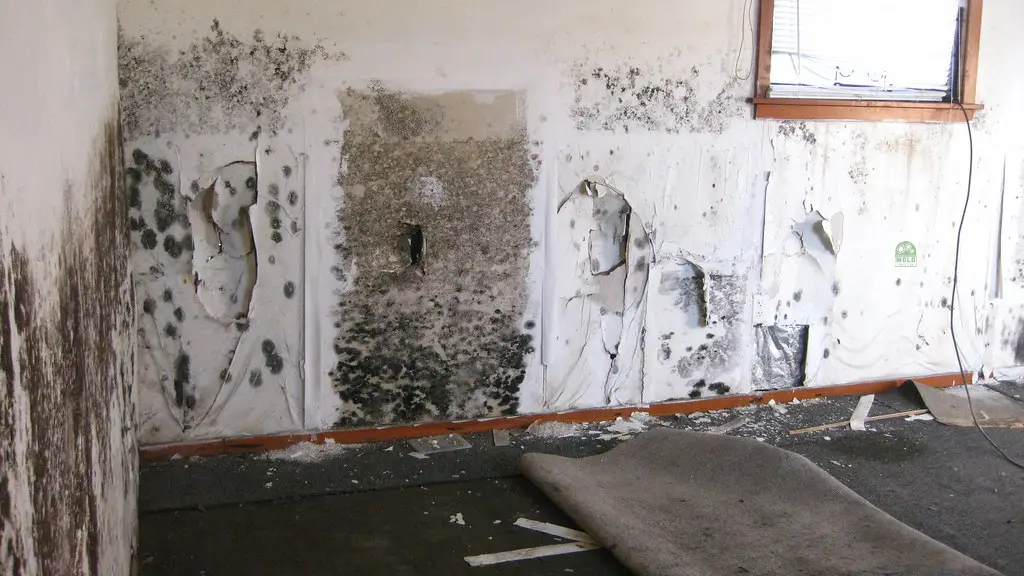
Mold isn’t visible all the time, but when it is, it always leaves clues. It usually thrives in moist areas that are too wet. These areas are bathrooms, kitchens, and basements.
It helps you to find these hidden problems before they worsen, which needs the professional mold inspection. It inspects visible spaces and air quality to truly know what is going on in your house.
The true adversary, though, is moisture in a long-been commonplace indeed, often kept covert
It’s always moisture that starts most mold problems. All it really takes is one tiny leak or a bit of inadequate airflow to create the perfect spot where mold can grow. Moisture detection is a big part of any inspection, and this is why.
Cleaning mold is not enough; the source must be found. It is a situation that will recur over and over again.
Early Signs You Should Not Ignore
Your home often gives early warnings before mold becomes serious. Paying attention to these signs can save you from bigger problems later.
Watch for:
- Musty or damp smell that does not go away
- Sneezing or coughing that improves outside
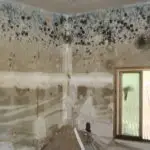
- Dark spots on ceilings or walls
- Allergy symptoms that get worse indoors
- Condensation on windows or cold surfaces
If you notice these signs, it may be time for mold testing to confirm the problem.
What a Mold Inspection Really Includes
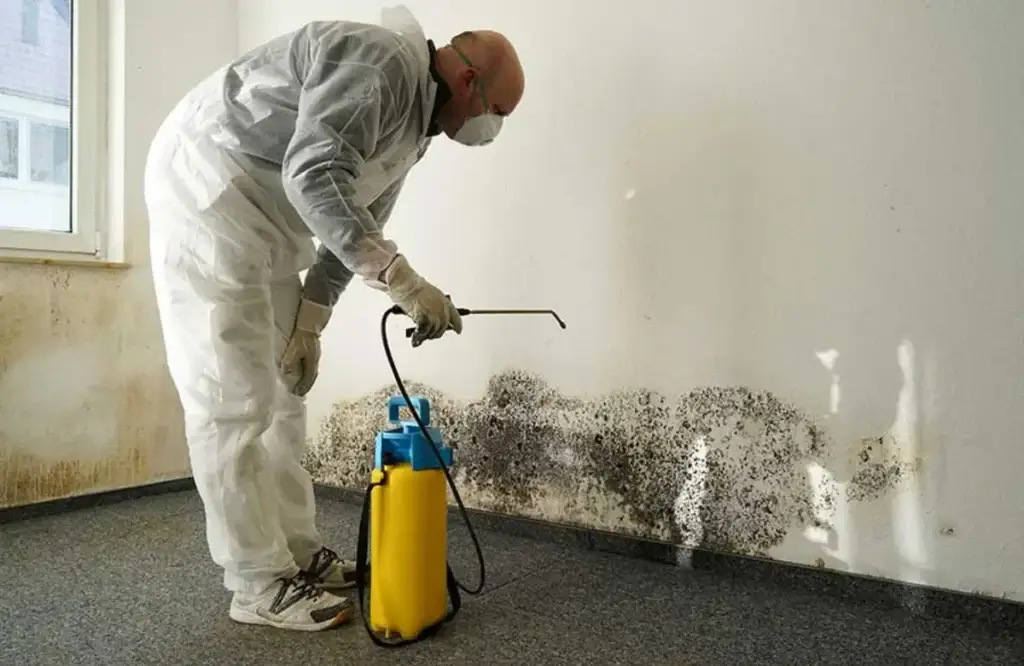
A proper inspection is more than just looking around a room. It is a detailed process that checks air, surfaces, and hidden spaces.
A complete inspection may include:
- Air sampling to check spores in breathing air
- Surface testing and mold sampling
- Checking walls, ceilings, and floors for moisture
- HVAC system inspection
- Structural moisture assessment
This process helps create a full picture of your indoor environment. A good mold inspection checklist ensures nothing is missed during the evaluation.
Simple Mold Testing Tips for Homeowners
You do not need to be an expert to protect your home. Small daily habits can reduce the risk of mold growth and improve clean indoor air.
Here are some easy tips:
- Keep indoor humidity low (below 50%)
- Fix leaks as soon as you find them
- Use exhaust fans in bathrooms and kitchens
- Clean air conditioning filters regularly
- Do not ignore musty smells
If you suspect a problem, avoid touching or cleaning the area too much. Disturbing mold can release spores into the air and spread contamination.
Understanding Mold Inspection Cost in Simple Terms
Many homeowners worry about pricing before scheduling an inspection. The mold inspection cost can vary depending on several factors.
Some of these include:
- Size of the home or building
- Number of rooms tested
- Type of testing required
- Level of visible damage
- Need for air and surface samples
People often ask, how much does a mold inspection cost, but the answer depends on your specific situation. A small home with minor concerns may cost less, while larger or damaged properties may need more detailed testing.
Think of it as an investment in your health and property safety, not just an expense.
What Happens After Mold Testing?
Once testing is complete, results help guide the next steps. If mold is found, a plan is created to remove it safely.
From detection to cleanup
The process usually includes:
- Reviewing lab results from air and surface samples
- Identifying affected areas
- Planning mold remediation steps
- Cleaning and removing contaminated materials
- Checking results after cleanup
After removal, mold clearance testing is done to confirm that the space is safe again. This final step is very important because it ensures the problem is fully solved.
Why Professional Help Makes a Difference
Mold issues are not always simple. They often come from hidden leaks, poor ventilation, or past water damage. Without proper tools, it is hard to find the real cause.
That is why trained professionals are important. Mold Detective FL provides detailed inspection services that go beyond surface checks. Their approach focuses on finding the root cause and protecting long-term indoor health.
They offer services like:
- Mold inspection and detailed reporting
- Indoor air quality testing for hidden spores
- Water damage evaluation and moisture tracking
- Mold remediation consultation for safe cleanup
- Preventive inspections for early detection
This kind of full evaluation helps homeowners understand not just where mold is, but why it is growing in the first place.
Building a Healthier Home Environment
Maintaining a mold-free home is not a one-time job. It takes some consistent focus and easy things to do over time.
The foundation of good indoor air is moisture control, followed by proper ventilation, and prompt action upon the emergence of problems. Conducting inspections can put you ahead of issues before they develop.
Do this with prevention, along with air quality professional analysis to keep your home structure and family safe.
Final Thoughts
Mold problems often start small but grow quickly if ignored. Early mold testing helps detect hidden issues before they spread through your home.
Simple habits, regular inspections, and professional support all work together to create a safer indoor space. Clean air is not just about comfort, it is about long-term health and peace of mind, and molddetectivefl plays a key role in helping achieve it.
FAQs
At what time is mold testing?
You might wish to check if you pry, or possess allergy signs and symptoms after any water damage. It is a known truth that the earlier you test, the more issues you will be able to avoid down the line.
What does mold remediation involve?
Remediation actually refers to the removal of contaminated materials, cleaning onsite areas, and other methods such as treating moisture sources so that mold does not grow further.
Why is mold clearance testing necessary?
Once the remediation process is complete, mold clearance testing will confirm that the cleanup was effective and that it is safe to breathe the air again.
Is mold inspection expensive?
The cost of inspecting for mold also depends on the square footage of your home (more square feet means more money), the type of testing, and the level of damage.