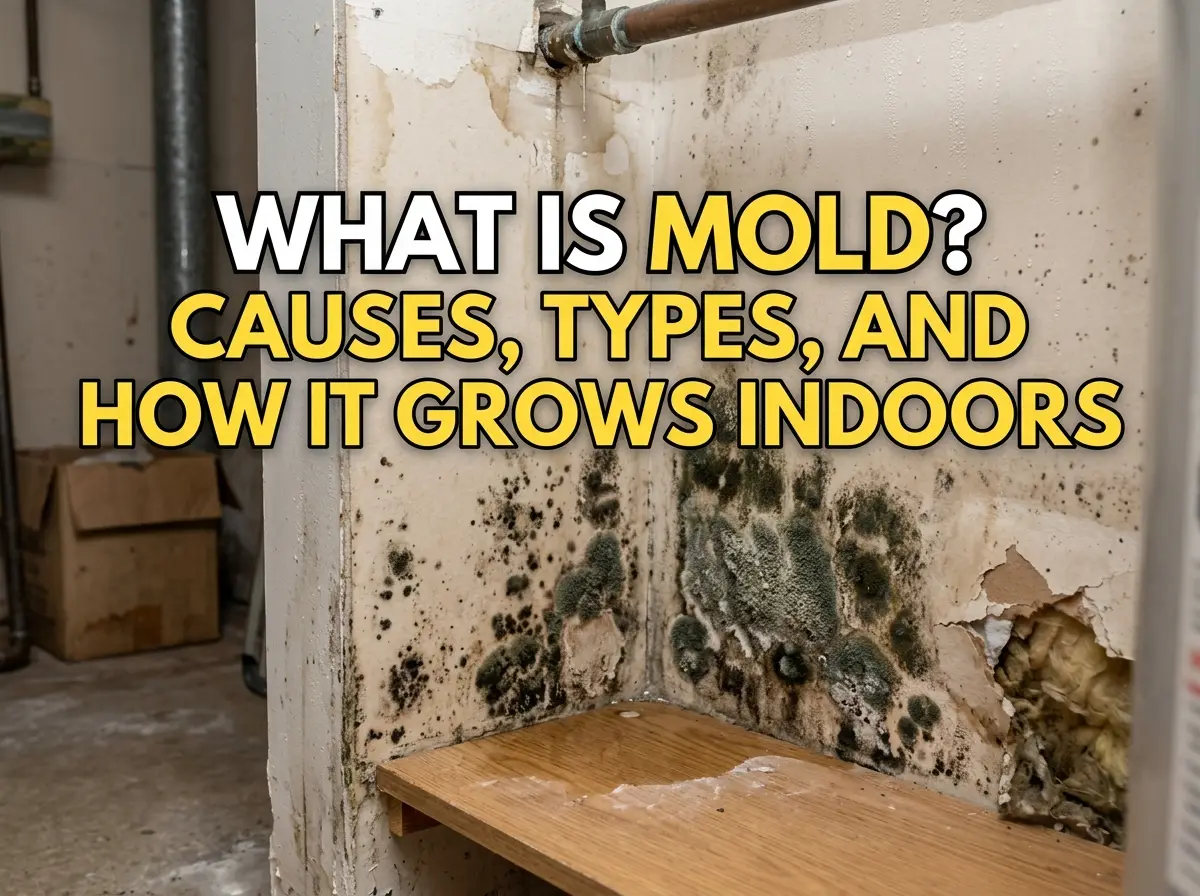
Every homeowner faces structural issues, but a tiny organism causes the most hidden damage. This quiet invader spreads silently inside walls, under carpets, and throughout crawl spaces before you notice. It destroys building materials and ruins indoor air quality without making any loud noise or warning signs. Property owners frequently struggle to understand what mold is and how it starts inside their homes. Knowing how this fungus behaves helps you protect your family and your real estate asset.
Dealing with humid weather makes properties highly vulnerable to these airborne fungal spore invaders. Spores bounce around the atmosphere looking for damp surfaces where they can settle down. Once they find wet drywall or leaky pipes, they multiply into large clusters very fast. This growth ruins your building structure and triggers musty odors that linger in rooms. Local property owners must watch for moisture to stop these organic colonies from spreading.
Fungal Microorganisms Indoors
Fungi belong to a unique kingdom of living things that survive by consuming organic matter. Unlike plants, they do not need sunlight to create energy or grow bigger every day. They expand by releasing microscopic spores that float seamlessly through indoor and outdoor air currents. When these spores land on wet building materials, they begin to spread across surfaces. Understanding the foundation of house mold requires looking closely at daily indoor moisture levels.
Microscopic spores are always floating around us, waiting for the perfect damp environment to strike. Every household contains organic materials like wood, drywall, and ceiling tiles that provide perfect food. When plumbing leaks or high humidity occur, these spores activate and sprout root systems immediately. They feed on your home structure, causing rot and visual stains that decrease property value. Catching this early protects your drywall, framing, and flooring from permanent structural ruin.
Fungal Biology Basics
Fungi use tiny root threads called hyphae to digest organic materials like wood or paper. These threads release special proteins that break down your building materials into simple nutrients. This feeding process weakens wood framing, ruins ceiling tiles, and bubbles interior wall paint. Over time, the affected materials rot completely and require expensive structural replacement by professionals.
Fungal colonies reproduce by sending millions of microscopic spores back into your indoor breathing air. This continuous survival loop makes manual cleaning difficult without fixing the root moisture issue first. Scrubbing visible stains does not kill the deep roots hiding inside porous building sheets. Professional intervention remains the only reliable way to stop this biological cycle from repeating.
Fungal Identification and Appearance
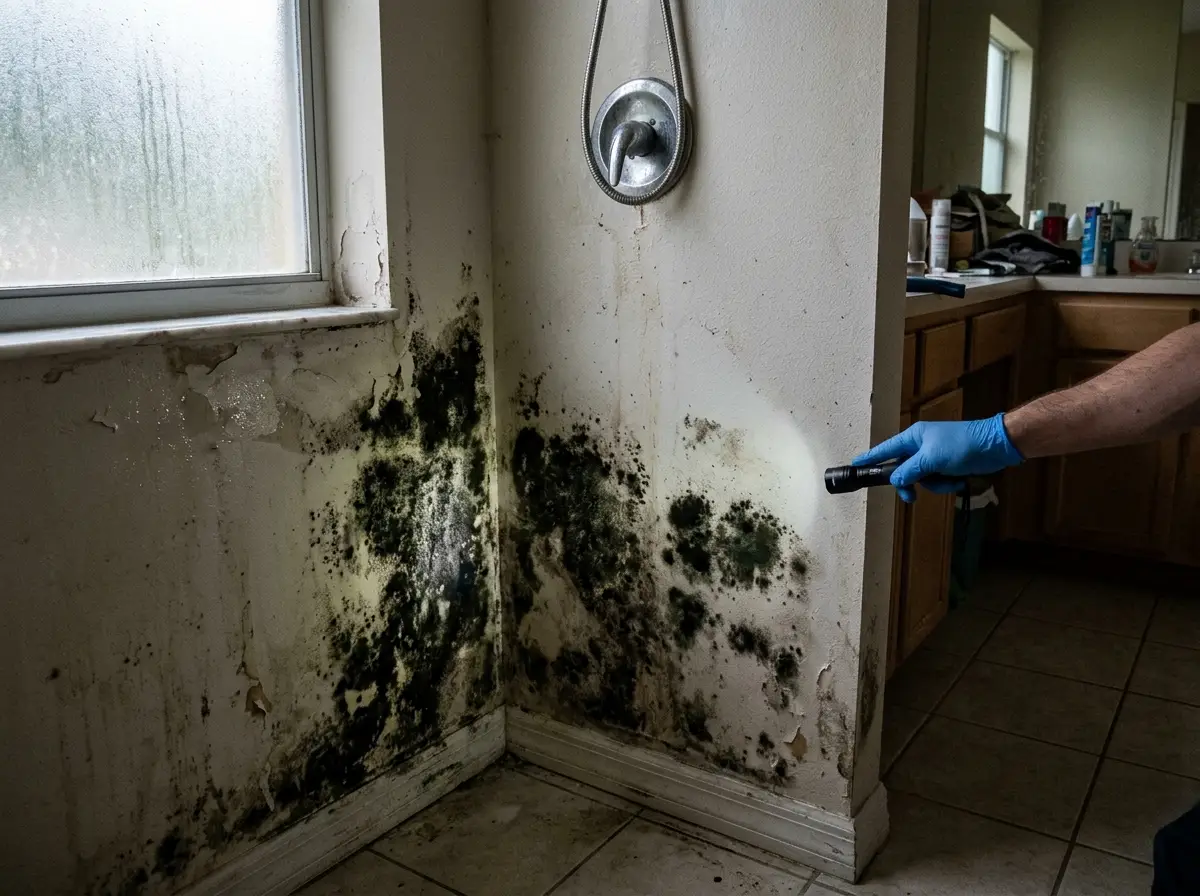
Identifying structural contamination early prevents minor issues from turning into massive remediation projects. Fungal colonies show up in many shapes, sizes, textures, patterns, and different color variations. Some look like furry spots on carpets, while others look like dark streaks. Property owners often ask what color mold is when checking their dark closet corners. The answer depends heavily on the specific fungal species and the local food source.
Homeowners usually spot dark green, deep black, bright yellow, or powdery white spots on walls. The texture can range from fuzzy and velvet-like to slimy, rough, or completely dry. Fungal spots often look like simple dirt or dust smudges to the untrained eye. Ignoring these small visual changes allows the invisible roots to spread deeper into your home.
Color and Texture Differences
Fungal hues change based on the material they eat and the local moisture level. Black variations often grow on wet fiberboard, while green types prefer damp drywall surfaces. White varieties frequently look like powder and get confused with mineral deposits on concrete. Regular visual checks help you spot these strange color changes on your property early.
+——————-+———————–+———————–+
| Fungal Color | Common Indoor Texture | Typical Materials |
+——————-+———————–+———————–+
| Deep Black | Slimy or Smudgy | Drywall, Fiberboard |
| Forest Green | Fuzzy or Velvety | Carpets, Wallpaper |
| Powdery White | Dry and Fluffy | Wood Framing, Masonry |
+——————-+———————–+———————–+
Texture provides another clue for identifying active fungal contamination inside your living spaces. Slimy coatings mean there is an active, ongoing water leak nearby, keeping it wet. Dry, powdery patches mean the colony is releasing spores into your breathing air right now. Both texture types require quick professional attention to protect your indoor air quality.
Common Fungal Species
- Aspergillus: This common type grows fast on household dust and starchy food items.
- Cladosporium: This hardy variety survives well in both cold and warm indoor zones.
- Stachybotrys: Often called black mold, this type thrives on wet cellulose building materials.
- Penicillium: This species prefers carpet fibers and damp insulation behind wall panels.
Secondary Material Complications
Many structural items get confused with biological growth during routine home maintenance checks. Homeowners often spot dark lines around windows and wonder what window molding is exactly. That term actually refers to the decorative wood trim framing your glass window panes. However, these wooden frames frequently catch condensation and turn into hot spots for real mold growth.
Moisture gathers on cold glass and drips directly onto the wooden frames below every day. This constant wetness ruins the paint finish and feeds hidden fungal spores over time. People often mistake rotting trim wood for simple dust or old age cosmetic wear. Keeping these window frames dry stops spores from ruining your expensive decorative wood trim.
Trim Maintenance and Condensation
Cold window glass meets warm indoor air and creates water droplets through simple condensation. This liquid pools along the bottom wooden trim, creating a perfect fungal breeding zone. If you leave this water sitting, spores will rot the wood frame entirely. Wiping your windows daily keeps moisture from destroying these structural wood elements.
Old window seals let outside humidity leak into your climate-controlled indoor living areas. This extra moisture raises room humidity and feeds hidden spores inside your wall cavities. Replacing bad seals protects your wooden frames from catching active fungal infestations over time. Inspections help pinpoint these hidden window leaks before the wood decays completely.
Indoor Environmental Triggers
Fungal spores cannot grow into large visible colonies without specific environmental indoor triggers. The primary catalyst for mold growth is uncontrolled water from leaks or high humidity. Spores also need warm indoor temperatures and organic food sources to expand their territory. Controlling indoor moisture is the single best way to keep your property safe.
+——————-+———————–+———————–+
| Growth Variable | Minimum Requirement | Ideal Indoor Target |
+——————-+———————–+———————–+
| Relative Humidity | Above 60 Percent | Below 50 Percent |
| Temperature Range | 70 to 90 Degrees F | 68 to 74 Degrees F |
| Moisture Presence | Standing Water / Leak | Completely Dry |
+——————-+———————–+———————–+
Poor airflow moves stagnant air into dark corners, creating perfect spots for spore settlement. Rooms like bathrooms, kitchens, and crawl spaces face the highest risk of fungal contamination. Using exhaust fans helps move wet air outside before it settles on surfaces. Regular air movement keeps surfaces dry and prevents spores from sticking to materials.
High Relative Humidity
Florida weather keeps outdoor humidity high, which easily affects your indoor living spaces. When indoor humidity crosses sixty percent, spores can grow without any direct water plumbing leaks. Air conditioning units help lower this humidity when running on correct, balanced settings. Monitoring your indoor air with a hygrometer keeps you ahead of moisture problems.
Damp air settles into hidden areas like closets, kitchen cabinets, and dark attics. These dark spaces stay warm and wet, allowing hidden colonies to grow completely unnoticed. Property owners must check these spots to catch moisture issues before spores spread. Keeping indoor humidity low stops these hidden colonies from starting in your home.
Hidden Water Damage
Slow plumbing leaks inside wall cavities create massive fungal issues before showing outward signs. A tiny pipe pinhole can drip water onto drywall backing for months undetected. By the time you see a stain, the interior wall is fully contaminated. Regular plumbing checks help locate these hidden water issues before rot takes over.
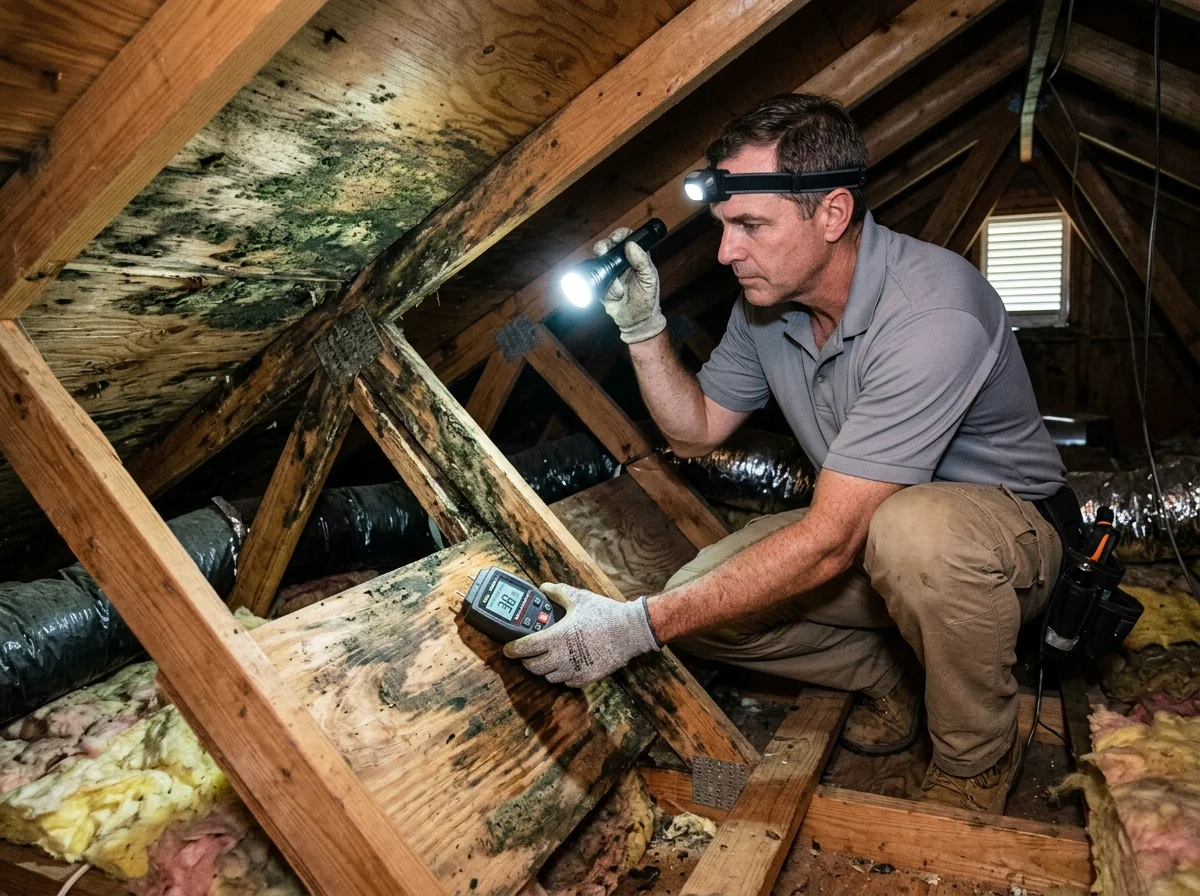
Roof leaks also let rainwater drip into your attic insulation and ceiling joists. This hidden moisture feeds spores that destroy your upper structural wooden framing system. Checking your attic after heavy rainstorms helps you catch these roof leaks early. Fixing roof issues fast keeps your ceiling materials dry and free from fungi.
Professional Investigation Solutions
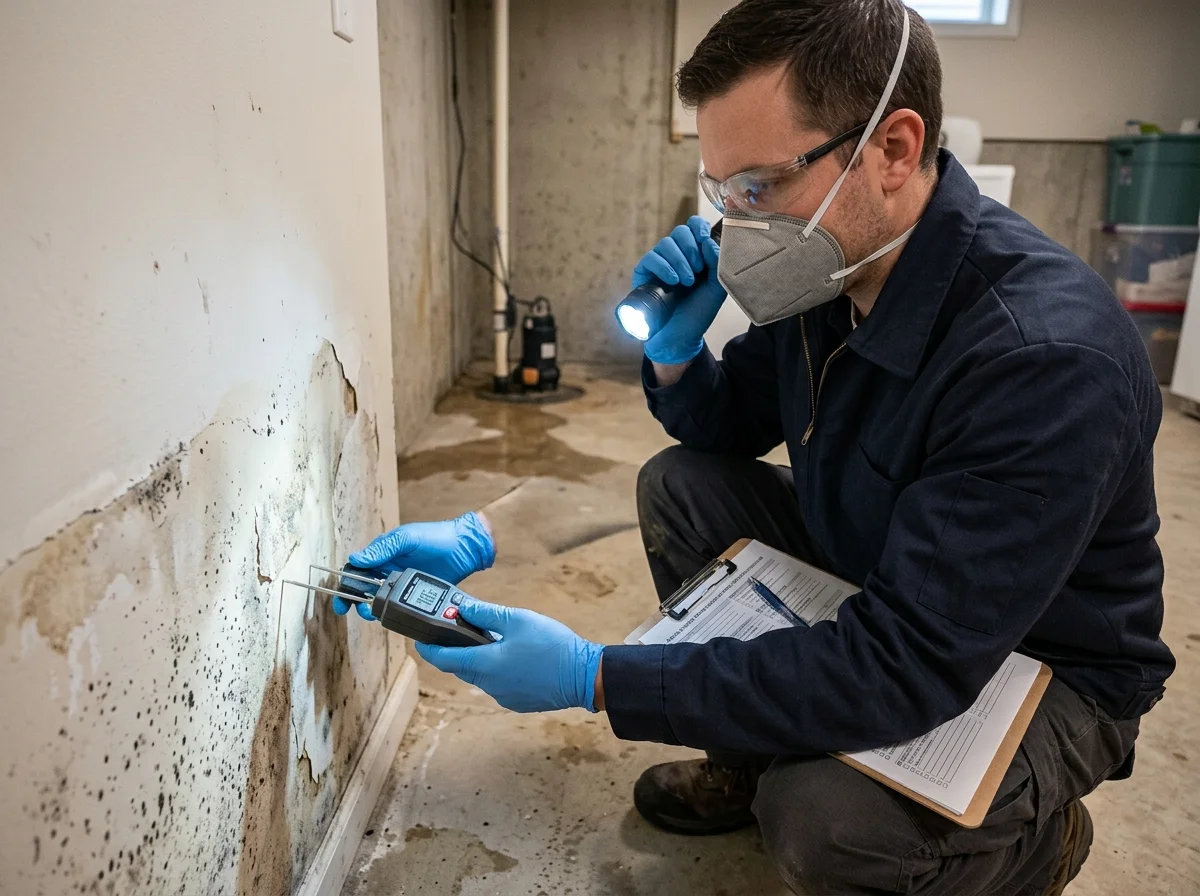
Do not wait for strange, musty odors to ruin your indoor living comfort. The team at Mold Detectives provides certified residential and commercial inspections across Florida. We use advanced moisture meters, thermal cameras, and laboratory testing to locate hidden moisture. Our independent reports give you clear, honest facts about your property’s air quality.
We proudly serve Fort Pierce, Vero Beach, Port St. Lucie, Melbourne, and surrounding communities. Our certified experts pinpoint hidden water sources and map out exact fungal spore locations. Contact Mold Detectives at (772) 242-4024 to book your professional property inspection today. Protect your structural investment and enjoy clean, healthy indoor air with our help.
FAQS
How fast does mold start growing indoors after a water leak?
Fungal spores activate and start growing within twenty-four to forty-eight hours after finding moisture. If wet building materials are not dried quickly, visible colonies will expand across surfaces.
Can I just use bleach to clean up black mold stains?
Bleach only cleans the surface of non-porous materials and leaves deep roots alive inside drywall. The water in bleach can actually feed the hidden roots and cause more growth later.
What are the main signs that indicate hidden mold growth?
Persistent musty smells, peeling wallpaper, unexplained wall stains, and high indoor humidity point to hidden growth. Dark spots on air vents or warped wood trim also indicate moisture issues.
Why does mold keep returning to my bathroom ceiling every month?
Fungi return because the root moisture problem, like high shower humidity, was never fully fixed. You must use an exhaust fan to pull the wet air outside during every shower.