We all want our homes to feel safe and comfortable. We think of our houses as shelters that protect us from the dirty air, weather, and noise of the outside world. But the reality might surprise you. The air inside your living room, kitchen, or bedroom can actually be much dirtier than the air outside. Since most of us spend nearly 90% of our time indoors, we constantly breathe in tiny, invisible particles, trapped chemicals, and hidden mold spores.
If you deal with sudden coughing fits, morning headaches, or allergies that mysteriously disappear when you leave the house, your indoor air might be the problem. Ignoring these signs can lead to long-term health issues and costly home repairs. Buying cheap DIY kits or guessing the cause won’t give you the real answers you need. Investing in professional indoor air quality testing services is the best way to find out exactly what is in your air, where it comes from, and how to fix it.
The Hidden Pollutants Trapped Inside Your Home
Modern homes are built to be airtight and energy-efficient. While this keeps your energy bills low, it also traps stale air inside. Without regular air testing, everyday activities can cause harmful pollutants to build up to dangerous levels.
Mold and Biological Growth
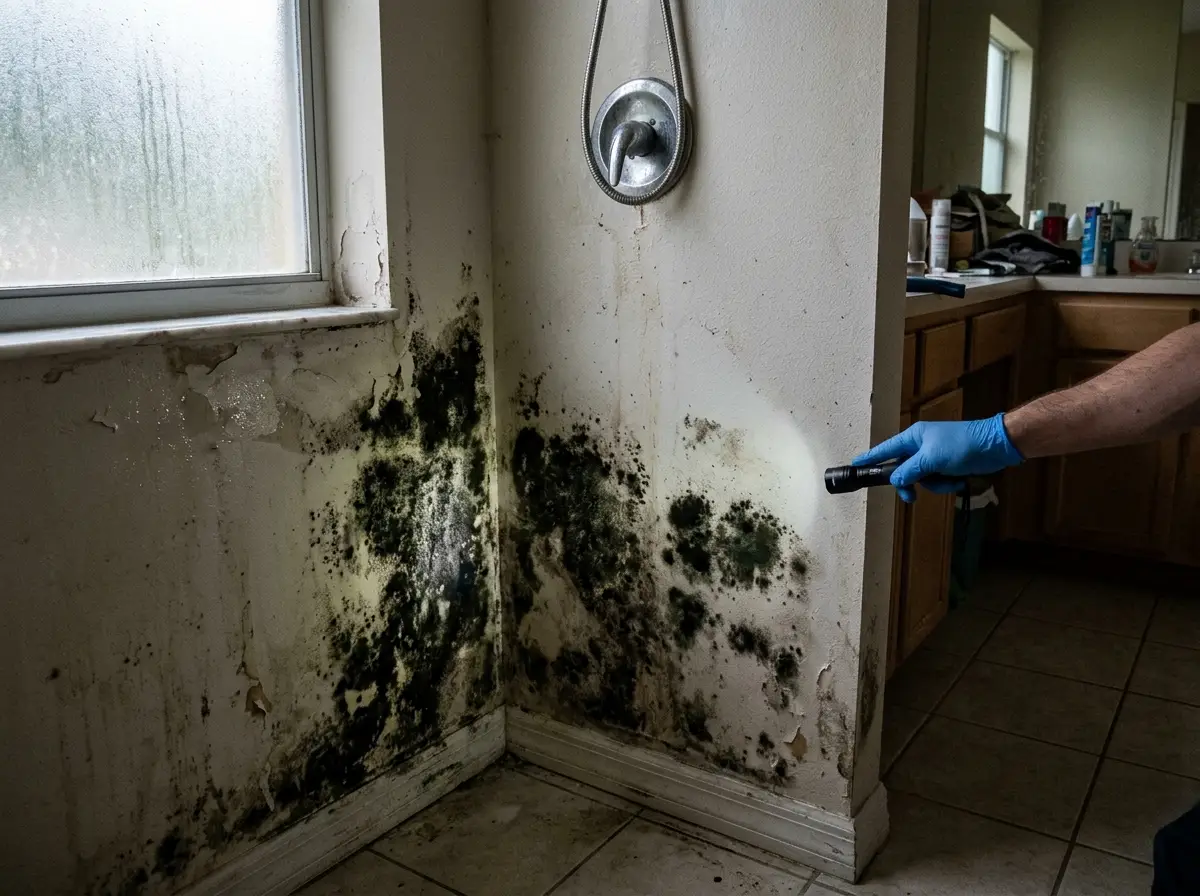
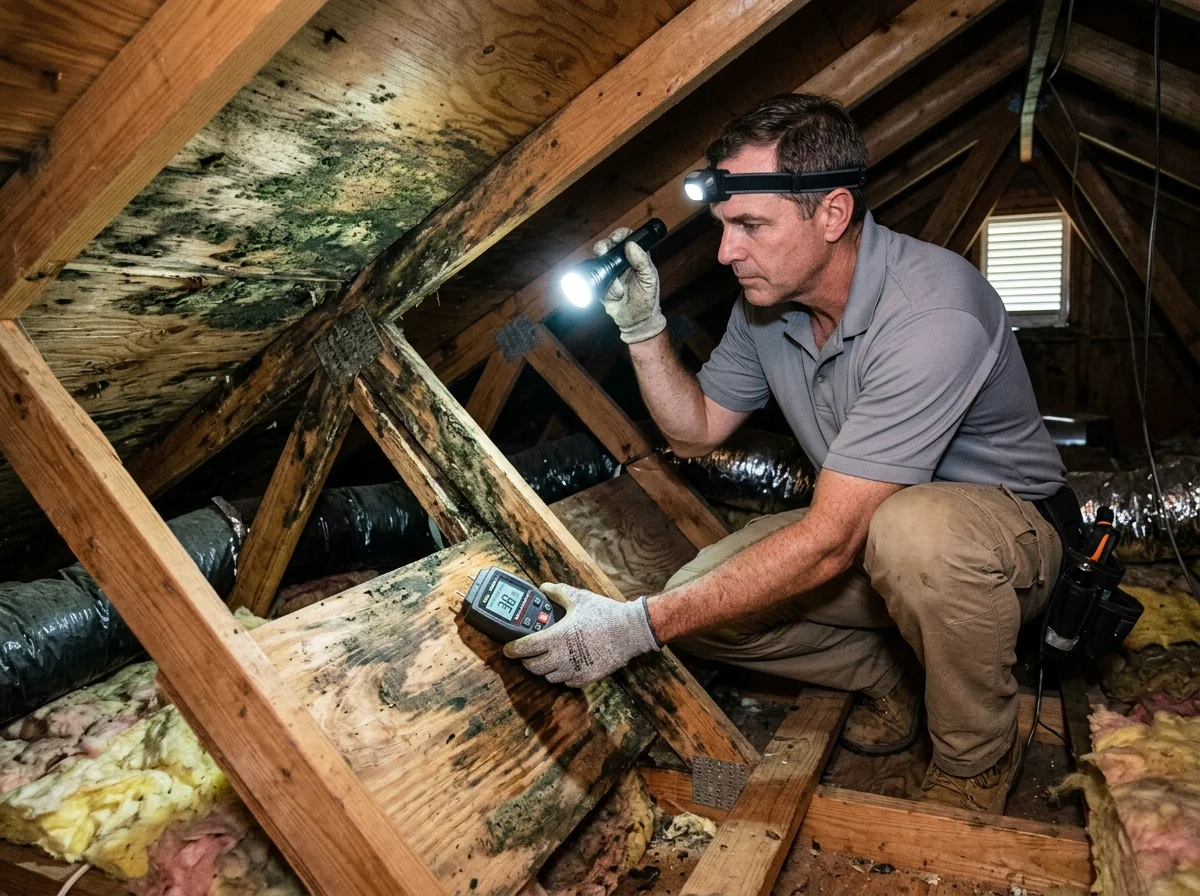
Mold, pollen, and pet dander love to hide in our homes. Mold grows quickly in dark, damp spaces like attics, crawl spaces, and behind drywall. When mold grows, it releases tiny spores into the air. You can easily breathe these spores deep into your lungs. Because you cannot see these threats with the naked eye, you need professional mold testing and air sampling to catch them before they cause serious health problems and property damage.
Chemicals and Harsh Irritants
Many items in our homes release harmful chemicals into the air. This includes the glue in wood floors, synthetic rugs, household cleaners, fresh paint, and new furniture. Experts call this VOC detection (Volatile Organic Compounds). At the same time, particulate matter testing measures fine dust, smoke, and soot in your air. These tiny particles can irritate your lungs, trigger asthma attacks, and hurt your overall health.
What Happens During an Indoor Air Quality Test?
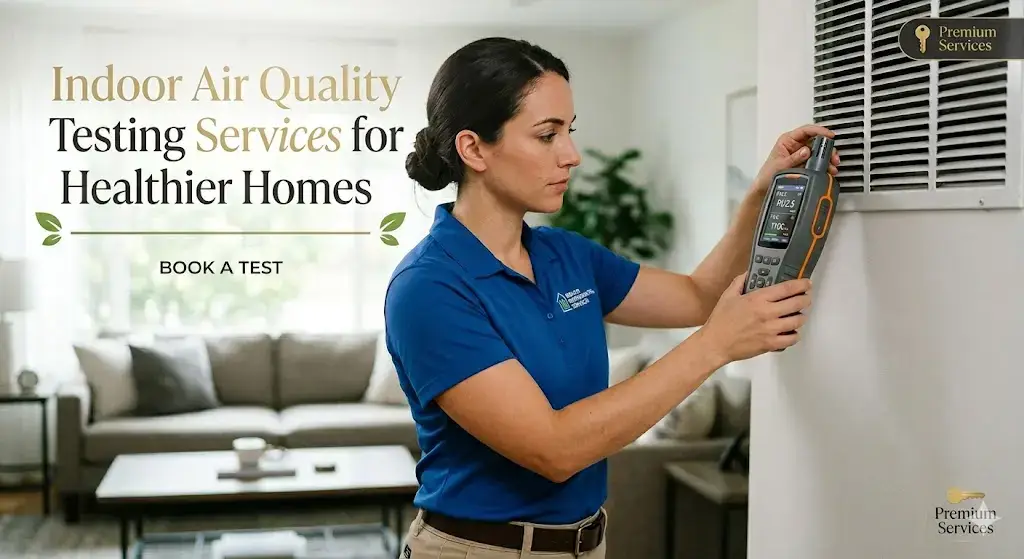
When homeowners smell something musty or start coughing, they often search the internet to learn how to test air quality in home spaces using cheap DIY kits. However, these store-bought kits are not accurate and cannot tell you how to fix the root cause of the problem. A professional indoor air quality test is much more thorough. Certified experts use advanced tools to check every corner of your living space.
[Home Walkthrough] ──> [Moisture & HVAC Check] ──> [Air Sampling] ──> [Lab Report & Fixes]
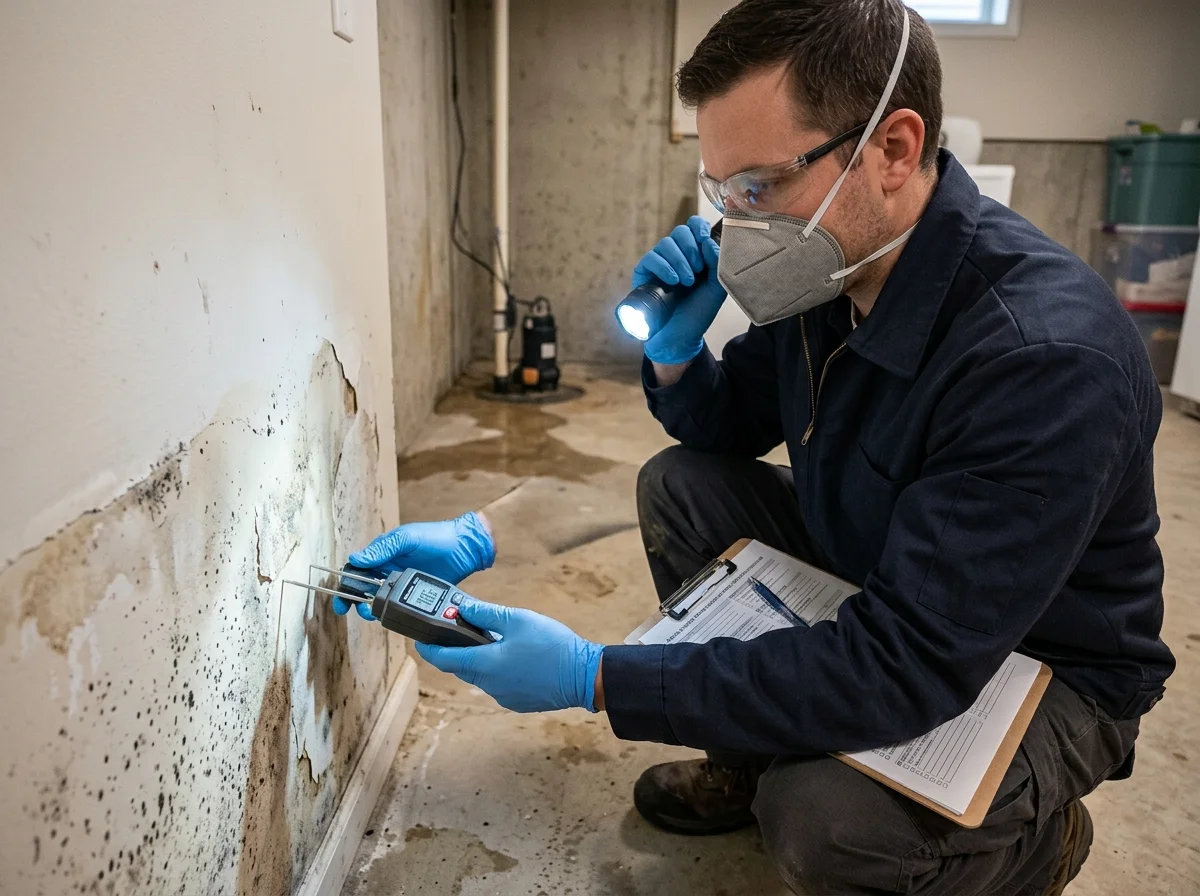
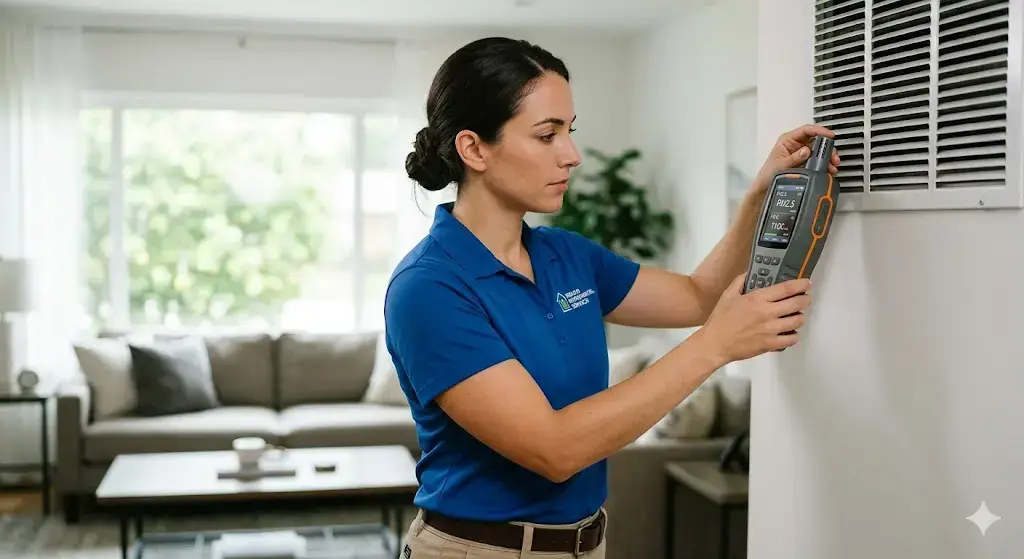
First, the inspector does a careful walkthrough of your home. They look at your airflow and use specialized tools to check your humidity, temperature, and carbon dioxide levels. Since mold needs water to grow, the expert will do a deep moisture inspection. They use thermal imaging cameras and moisture meters to find hidden leaks behind walls and under floors.
Next, the inspector collects samples. During this air testing step, they use special pumps to pull air through filters, trapping floating spores and chemicals. They send these samples to an independent laboratory. The lab analyzes the samples and provides a detailed report. This report tells you exactly what pollutants are in your air, how many there are, and how your indoor air compares to the clean air outside.
How Your AC System Impacts the Air You Breathe
Your heating and cooling system (HVAC) acts like the lungs of your home. It pulls air out of your rooms, filters it, cools or warms it, and pushes it back out. If any part of this system breaks down or gets dirty, your whole home suffers. That is why a professional inspector always includes an HVAC inspection as part of their visit.
+-------------------------------------------------------------+
|                The Healthy Air Circulation Loop             |
+-------------------------------------------------------------+
|                                                             |
|   [Air Intake]                                              |
|        │                                                    |
|        ▼                                                    |
|   [Filters & Parts] ────────► Check for heavy dust, electrical|
|        │                       failures, and worn-out parts  |
|        ▼                                                    |
|   [Coils & Drain Pans] ─────► Watch for standing water and   |
|        │                       hidden mold growth            |
|        ▼                                                    |
|   [Ductwork System] ────────► Stop dust and mold spores from  |
|        │                       spreading to your rooms       |
|        ▼                                                    |
|   [Clean Air Delivery]                                      |
|                                                             |
+-------------------------------------------------------------+
When trying to understand how air flows through mechanical parts, technicians sometimes look at cars. For example, they might look up how to test mass air flow sensors to see how vehicles measure air. Your home AC system works on a similar principle. It needs clean, open pathways to move air correctly. If electrical parts wear out—which requires a technician to know how to test air conditioner capacitor parts—or if the blower fans are caked in dust, the system cannot clean your air.
Even worse, AC units naturally create moisture when they cool the air. If you do not maintain these parts, standing water can turn your system into a breeding ground for bacteria and mold. When the fan turns on, it blows these dangerous spores straight into your bedrooms and living areas. Keeping your system clean ensures proper humidity control and keeps your air pure.
Warning Signs: When to Test Your Home’s Air
If you want to know how to test air quality properly, you must first know when to look for help. While regular checkups keep your home safe, you should call a professional immediately if you notice any of these warning signs:
- Unexplained Illness: You suffer from constant runny noses, itchy eyes, dry throats, or headaches that go away when you leave the house.
- Past Water Damage: You recently dealt with a burst pipe, a roof leak, or a flooded room where hidden mold could be growing.
- Strange Smells: You notice a sour, musty, or chemical odor that does not go away after you clean or open the windows.
- Home Renovations: You recently tore down walls or remodeled a room, which can stir up old dust, lead, and fiberglass.
Scheduling an allergen assessment during these moments protects your family’s health and saves you from expensive repairs later on.
Easy Ways to Keep Your Indoor Air Clean
Getting a professional inspection is a great first step, but you also need good daily habits to keep your air clean. You can easily lower the pollution in your home by following these simple tips:
- Watch the Humidity: Keep your indoor humidity between 30% and 50% using dehumidifiers so mold cannot grow.
- Change Your Air Filters: Swap out cheap fiberglass filters for high-quality pleated filters (MERV 11 or higher) every two to three months.
- Bring in Fresh Air: Open your windows when the weather is nice, and always run your kitchen and bathroom exhaust fans.
- Leave Shoes at the Door: Create a shoe rack by the front door so you do not track outside dirt, chemicals, and pollen into your home.
- Vacuum Regularly: Use a vacuum with a HEPA filter at least once a week to trap dust mites, pet hair, and allergens embedded in carpets.
FAQS
How do professionals test the air quality in a home?
Experts use calibrated air pumps, specialized particle counters, and surface swabs to collect samples. They send these samples to a lab to get an exact breakdown of the pollutants in your home.
What are the main signs of poor indoor air quality?
The most common signs include constant musty odors, visible dust floating in the air, mold spots near vents, and allergy symptoms like sneezing, coughing, and watery eyes.
How often should I test the air quality in my home?
You should schedule an indoor air quality test every 1 to 2 years. However, you should test immediately if you experience a water leak, finish a remodel, or notice new allergy symptoms.
Can a dirty AC unit cause bad indoor air?
Yes. A dirty AC unit acts like a pollution distributor. If dust, hair, or mold builds up inside your system, the fan will blow those contaminants into every room of your house.
Take Control of Your Health and Breathe Easier Today
You should never have to guess if the air inside your home is safe to breathe. Hidden mold, trapped chemical fumes, and airborne allergens can hurt your family’s health long before you ever see or smell them. Taking action now ensures your home remains a truly safe, healthy place to live.
Stop guessing about your health and let the certified team at Mold Detective give you real answers. We provide expert mold inspections, air sampling, moisture tracking, and complete air quality testing throughout Florida. We will find the source of your problem and show you exactly how to fix it. Visit Mold Detective today to book your home air assessment!